
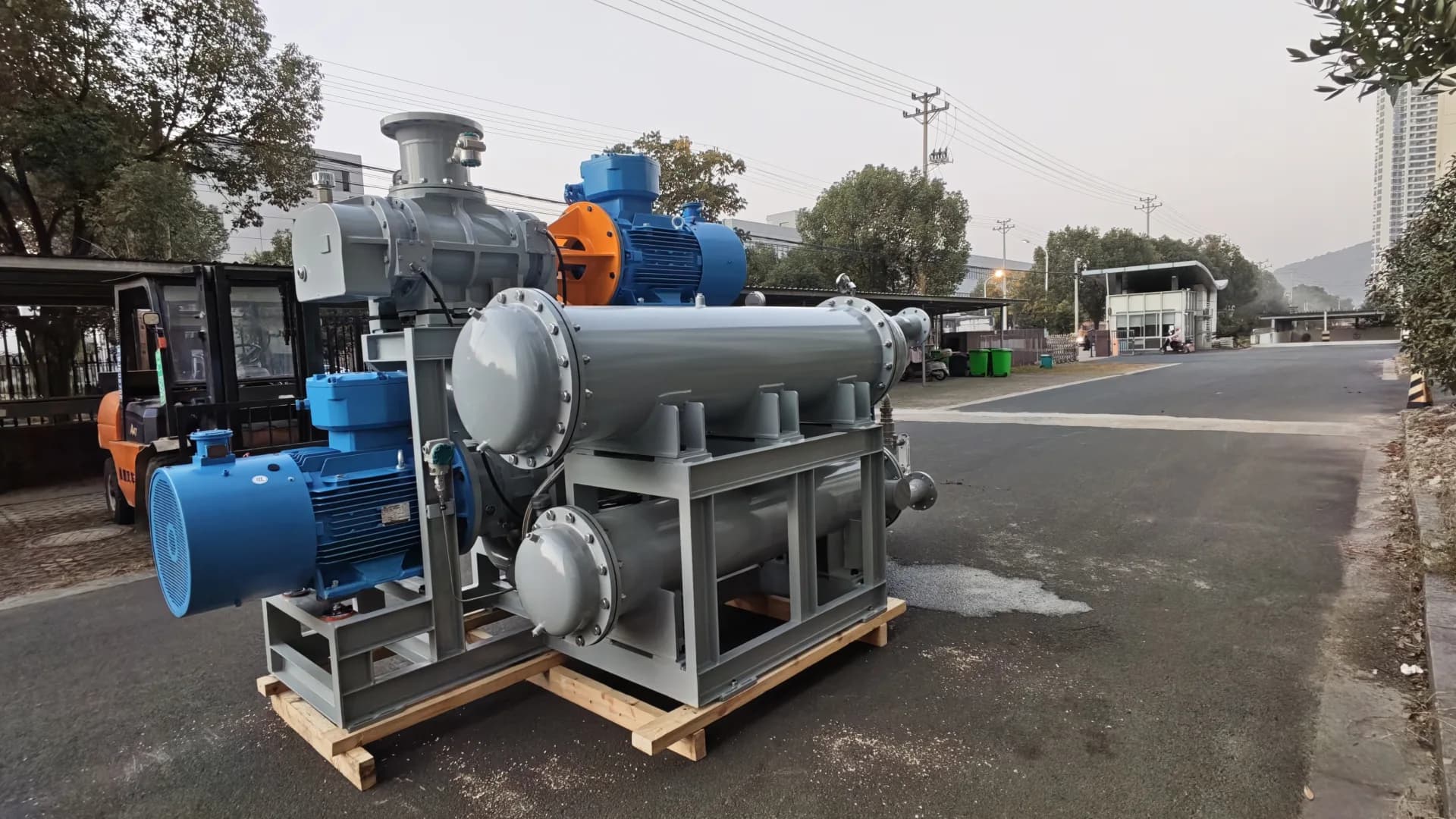
- Start the RFQ with pressure and required volumetric flow rate. Gas composition and vapor condition can be clarified during follow-up.
- Similar pressure and flow values can still lead to different pump configurations when the gas stream contains vapor, corrosive components, dust, flammable gas, or other process-specific components.
- Ordinary pump head materials such as carbon steel or ductile iron may not fit corrosive gas duties. Material, coating, sealing, condensate behavior, and discharge handling need to be checked before configuration.
- Condensable vapor needs to be read together with temperature and shutdown behavior. A stream that enters as vapor may become liquid, or leave residue, when the process cools down or stops.
- If the gas may be flammable, send any site safety, motor, electrical, discharge, or explosion-proof requirement already available. Certificates or special proof can be discussed when the project requires them.
Why pressure and flow rate are only the first operating point
Pressure and required volumetric flow rate give SC Air Power Tech the first operating point: the vacuum level and the capacity needed at that condition.
After that, the review turns to the gas stream. Air, water vapor, solvent vapor, ammonia, tert-butanol, nitrogen, acidic gas, dusty gas, or a mixed process stream can create different risks even within the same pressure and flow range.
For a first RFQ, buyers do not need to prepare a full gas analysis before sending a message. The operating point can start the discussion; gas composition, vapor condition, temperature, and site limits can be clarified before the pump configuration is recommended.
What gas composition changes in the pump review
The gas stream can contact the vacuum path, seals, discharge path, and sometimes the accessories around the pump. A standard pump head material may work for ordinary gas service, while a corrosive or reactive stream can push the project toward a different material or seal decision.
For ordinary pump heads, carbon steel or ductile iron may be used in common gas duties. If the gas contains corrosive components, those materials may no longer be suitable. In severe duties, corrosion can reduce performance within weeks or months, and in some cases it can damage the pump head.
| Gas or vapor condition | What the review may need to check |
|---|---|
| Ordinary dry gas or air | Pressure, required volumetric flow rate, duty cycle, and basic configuration |
| Water vapor | Temperature, condensation behavior, purge, cooling, and discharge condition |
| Solvent vapor | Vapor content, flammability, condensation risk, sealing, purge, and site safety requirements |
| Corrosive gas or vapor | Wetted materials, coating, seal materials, condensate behavior, and exhaust handling |
| Dust or fine particles | Inlet protection, maintenance access, and whether particles can enter the pump chamber |
| Flammable gas or vapor | Site safety rules, motor and electrical requirements, discharge path, and any required proof or certificate |
| Oxygen-rich or other safety-sensitive gas stream | Process safety review, material compatibility, and whether special project rules apply |
Two RFQs can share the same pressure and required volumetric flow rate and still need different configurations. The operating point frames the pump size; the gas stream affects material, sealing, accessory, and safety decisions.
Why vapor condition matters
The stream may not stay in the same state through the whole vacuum system. A medium can enter the pump as vapor, then turn into liquid when it cools in the line, inside a cooling section, near the pump, or after shutdown.
If a liquid phase appears, the question moves beyond gas volume. The review also needs to consider what the liquid does to the pump materials, seals, internal clearance, startup load, and discharge path.
Seasonal temperature can make this harder to judge. Some users expect the inlet stream to stay above the condensation point, but the actual condition may change between summer and winter. In summer, water-jacket flow or cooling control may help manage chamber temperature. In winter, the process may cool more than expected, and vapor left in the chamber after shutdown may condense or solidify before the next startup.
When that happens, restart current can rise, or the pump may be difficult to start. For this type of duty, the review may include chamber purge, operating-program changes, or other customized controls. The exact answer depends on the gas composition, temperature range, pressure point, and shutdown pattern.
What to send after the first RFQ
Keep the first message simple. Send pressure or pressure range and required volumetric flow rate first. If the gas or vapor information is already available, include it; if not, it can be checked during the technical follow-up.
| First RFQ data | Helpful follow-up information |
|---|---|
| Pressure or pressure range | Main gas components |
| Required volumetric flow rate | Approximate concentration or content range, if known |
| Contact details | Normal and maximum inlet temperature |
| — | Whether vapor may condense during operation or after shutdown |
| — | Corrosive, flammable, dusty, wet, oxygen-rich, or other safety-sensitive condition |
| — | Exhaust, discharge, safety, motor, or electrical requirements |
Many buyers do not know every gas detail at the first contact. Pressure and flow can start the RFQ, and the gas stream can be checked step by step as the discussion moves from sizing to configuration.
For the pressure and flow starting point, see How to choose a dry screw vacuum pump by working pressure and volumetric flow rate. For temperature-specific review, see How inlet gas temperature affects vacuum pump selection.
Anonymous coal-chemical vapor review example
In one anonymous coal-chemical industry review in Shanxi, the working gas contained ammonia, tert-butanol, water, and nitrogen. The inlet gas temperature was 50°C, with a working pressure of 3000 Pa(a) and a required volumetric flow rate of 42 m3/min.
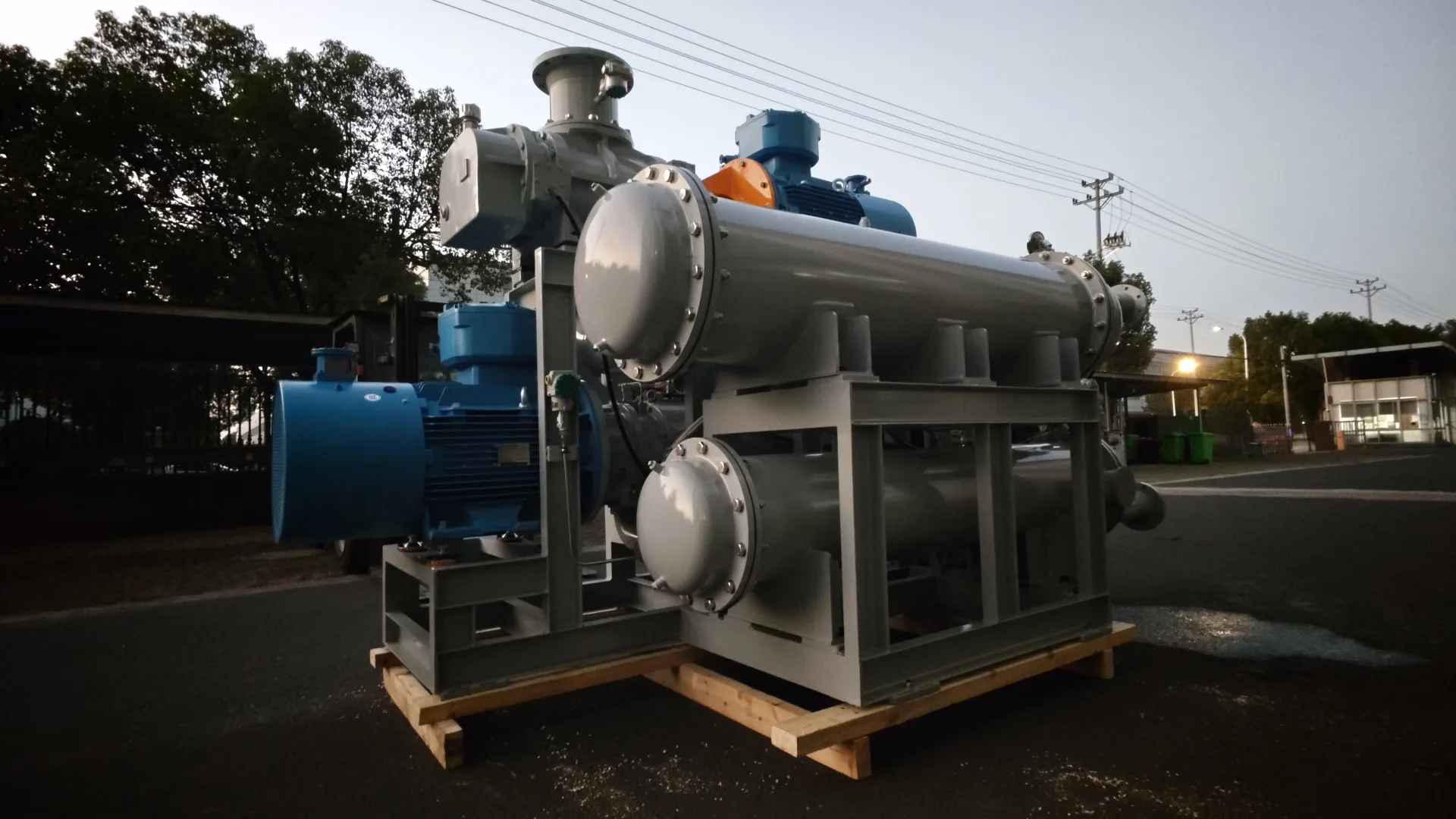
For that duty, SC Air Power Tech reviewed a combined QER1900 + TR1000 pump-head arrangement. The sealing structure was customized, and SS316 was used for production and machining because the gas composition and vapor condition went beyond an ordinary-gas review.
That configuration came from more than the operating point. The gas mixture, vapor behavior, corrosive potential, inlet temperature, and sealing requirement all shaped the engineering review.
For another coal-chemical, solvent, water-vapor, or corrosive-gas duty, the review may lead to a different pump head, material, sealing structure, purge logic, accessory layout, or safety requirement.
How SC reviews the next step
After the first RFQ, SC Air Power Tech first checks whether the pressure and required volumetric flow rate are in a reasonable pump-capacity range. Then we compare the gas stream against the parts of the pump package that will contact, cool, seal, purge, or discharge it.
That follow-up may include:
| Review area | Typical question |
|---|---|
| Materials | Can the gas, vapor, or condensate contact ordinary materials, or is a different material review needed? |
| Sealing | Does the gas condition require a special sealing structure or material? |
| Cooling | Does temperature control affect chamber condition or vapor behavior? |
| Purge | Is purge needed during operation, shutdown, or restart? |
| Accessories | Does the system need inlet protection, cooling, condensation review, or discharge handling? |
| Safety | Are there flammable components, site electrical rules, discharge limits, or certificate requirements? |
In practice, the buyer can send the operating point first. Once the gas stream is clear, we can match the pump head, sealing structure, purge logic, accessories, and site-safety requirements to that duty.
What this means for your RFQ
If you only know pressure and required volumetric flow rate, send those two values first through the contact page. That is enough to begin.
If you already know the gas composition, vapor condition, inlet temperature, condensation risk, discharge requirement, or site safety rule, include it as supporting information. A clearer process-stream description helps us check the dry screw vacuum pump configuration around materials, sealing, cooling, purge, and accessories.