Pull-down vacuum
When the heated sheet reaches the mold, the pump removes trapped air so the plastic can follow the mold surface. In the confirmed reference behind this page, the review focused on fast air removal rather than deep ultimate vacuum.

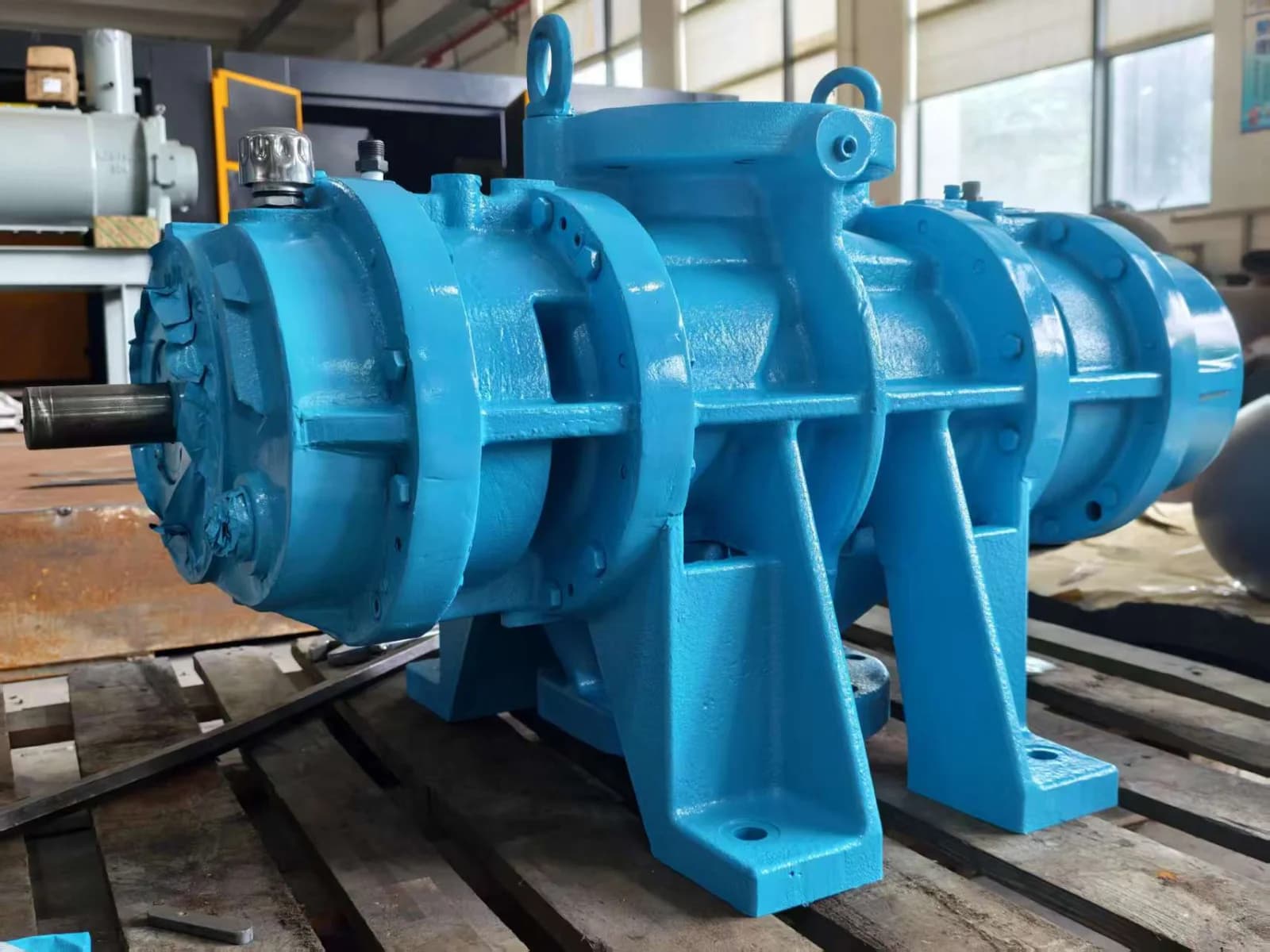
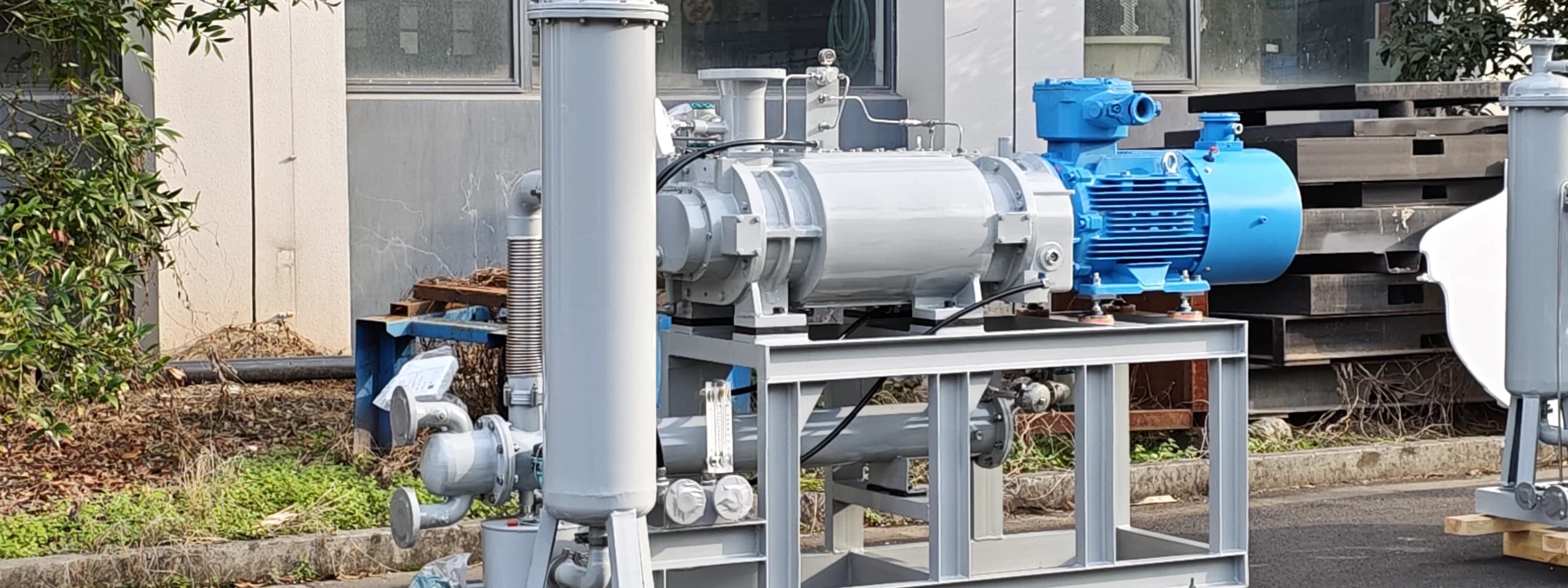
A dry screw vacuum option for stable vacuum in thermoforming cycles.
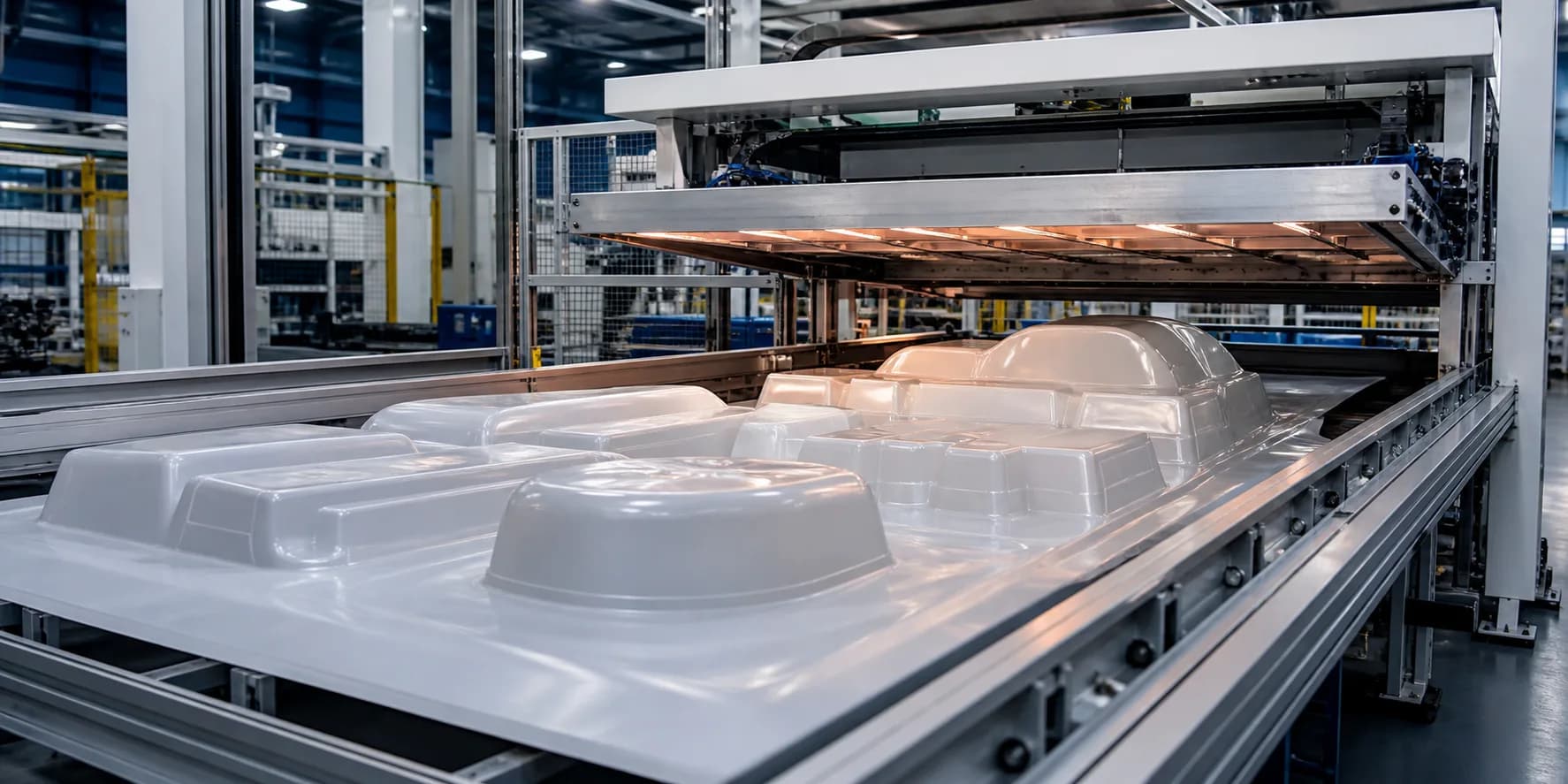
In plastic vacuum thermoforming, the pump removes air between the heated sheet and the mold so the material can be pulled into shape. In the confirmed reference behind this page, the review focused on removing a large air volume quickly and repeating that recovery from cycle to cycle, rather than treating deeper ultimate vacuum as the main question.
When the heated sheet reaches the mold, the pump removes trapped air so the plastic can follow the mold surface. In the confirmed reference behind this page, the review focused on fast air removal rather than deep ultimate vacuum.
After pull-down, the system keeps the vacuum long enough for the formed part to stabilize before release. A steady hold helps reduce cycle-to-cycle variation.
The next cycle needs the pump package to recover quickly. Mold volume, leakage, and line size decide how much air must be removed within the available cycle time.
Customer-site reference
17.8 m3/min at 40000 Pa(a)
Verified internal test data
In this confirmed customer-site reference, SC Air Power Tech worked with the factory team to run a 24-hour production comparison with one dry screw vacuum pump. Under the same operating conditions, the original setup used 354 kWh, while the SC dry screw vacuum pump used 212 kWh, met the customer's required volumetric flow rate, and reached the required pressure within the specified time. Because the factory's existing 26 water ring vacuum pump systems were not all damaged, the SC system will be used on the new expansion line.
Case detail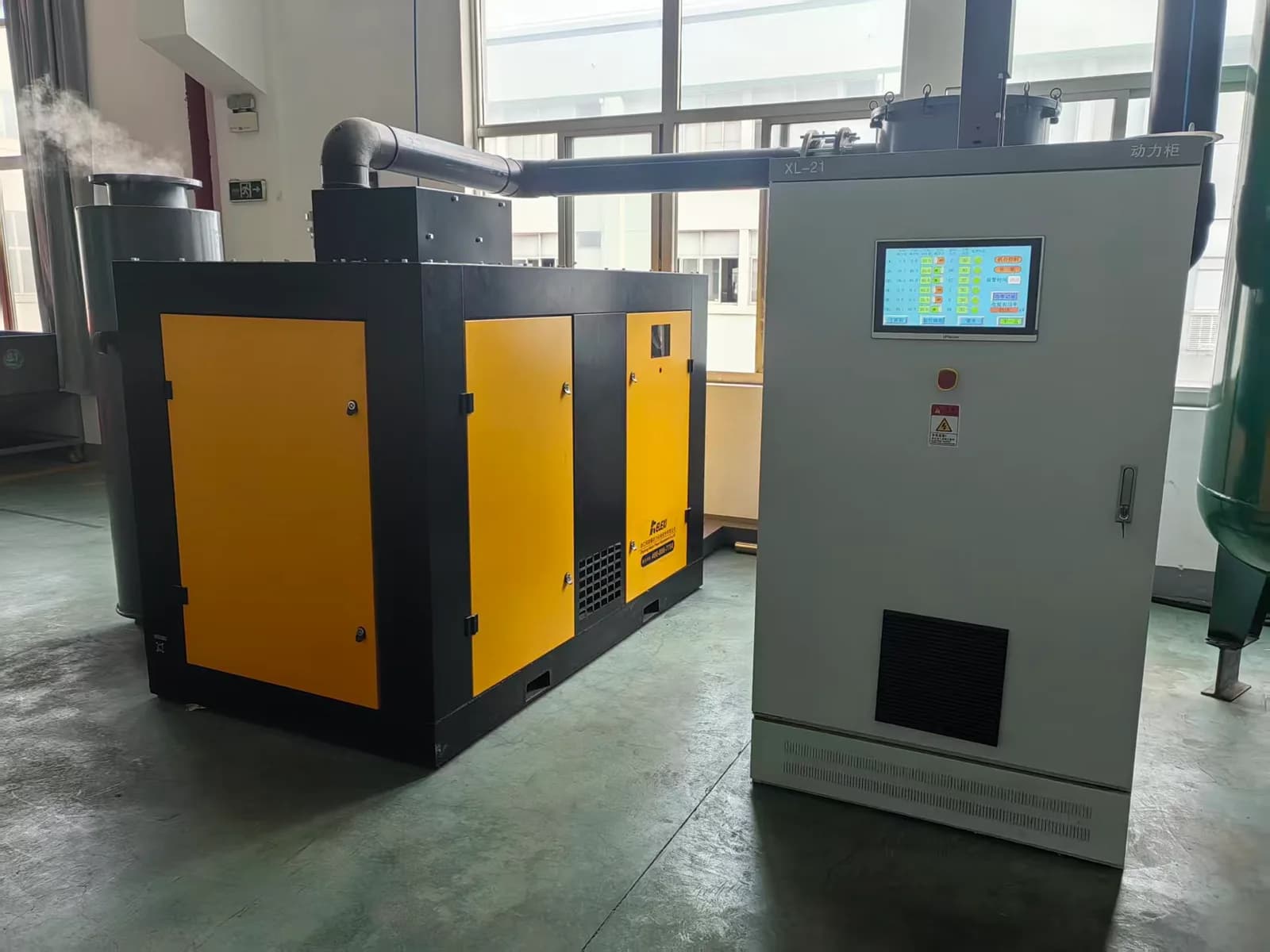
Product path
Send the required pressure and volumetric flow rate first. We can confirm cycle pattern, current pump setup, and site details during follow-up.