Vacuum draw through filter media
The vacuum system holds a pressure difference across the filter media so liquid can leave the material. For the first review, we check working pressure and required volumetric flow rate.

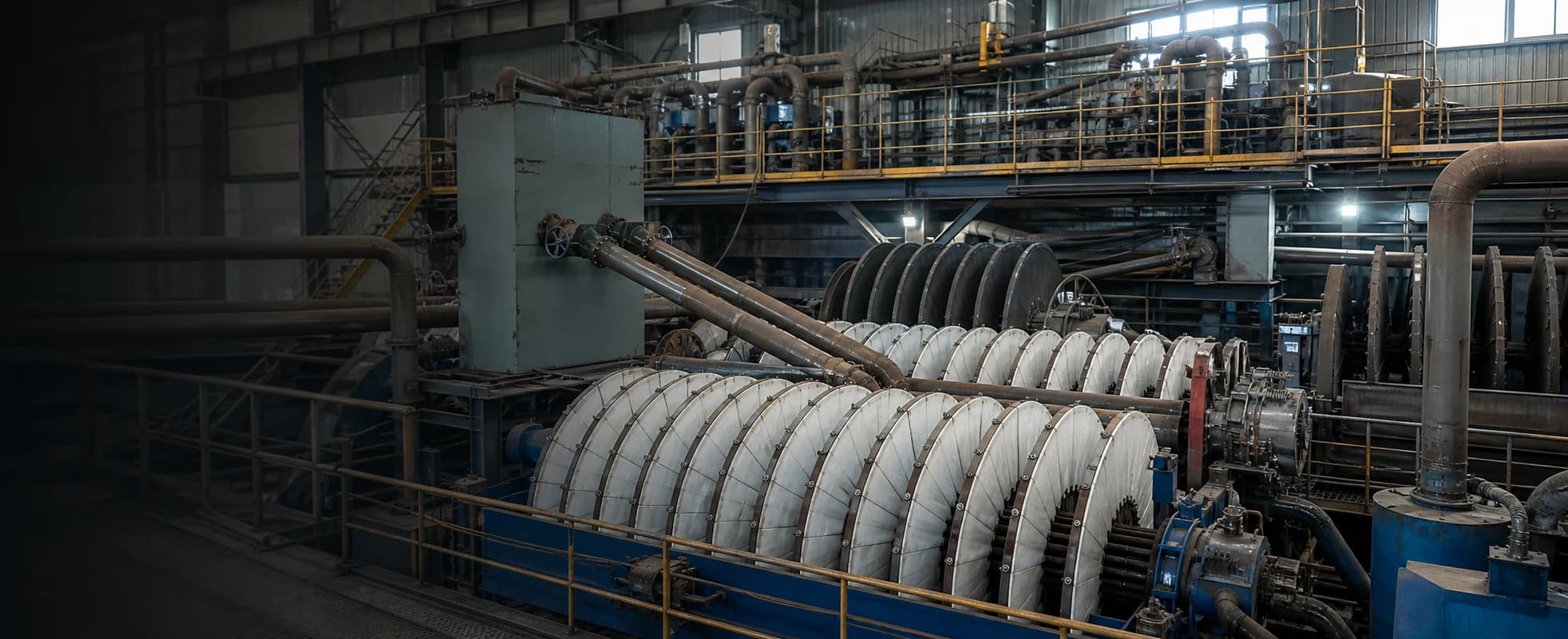
Vacuum review for dewatering lines where wet carryover and possible corrosive components need to be checked before configuration.
In filtration and dewatering, the pump maintains the pressure difference that helps liquid pass through the filter media. A useful review starts with pressure and required volumetric flow rate, then checks liquid carryover, possible corrosive components, separator layout, leakage, and holding time.
The vacuum system holds a pressure difference across the filter media so liquid can leave the material. For the first review, we check working pressure and required volumetric flow rate.
Moisture, liquid carryover, slurry mist, dust, and fine particles can reach the vacuum line. Separator layout and pump protection should be reviewed before the package is confirmed.
After loading, the line holds working vacuum until the next loading step. Leakage, holding time, line size, and operating hours set the stable capacity requirement.
Dewatering experience
Dewatering work changes with the filter, liquid, solids, and operating pattern. We start with the actual duty, then review what the pump package needs to handle.
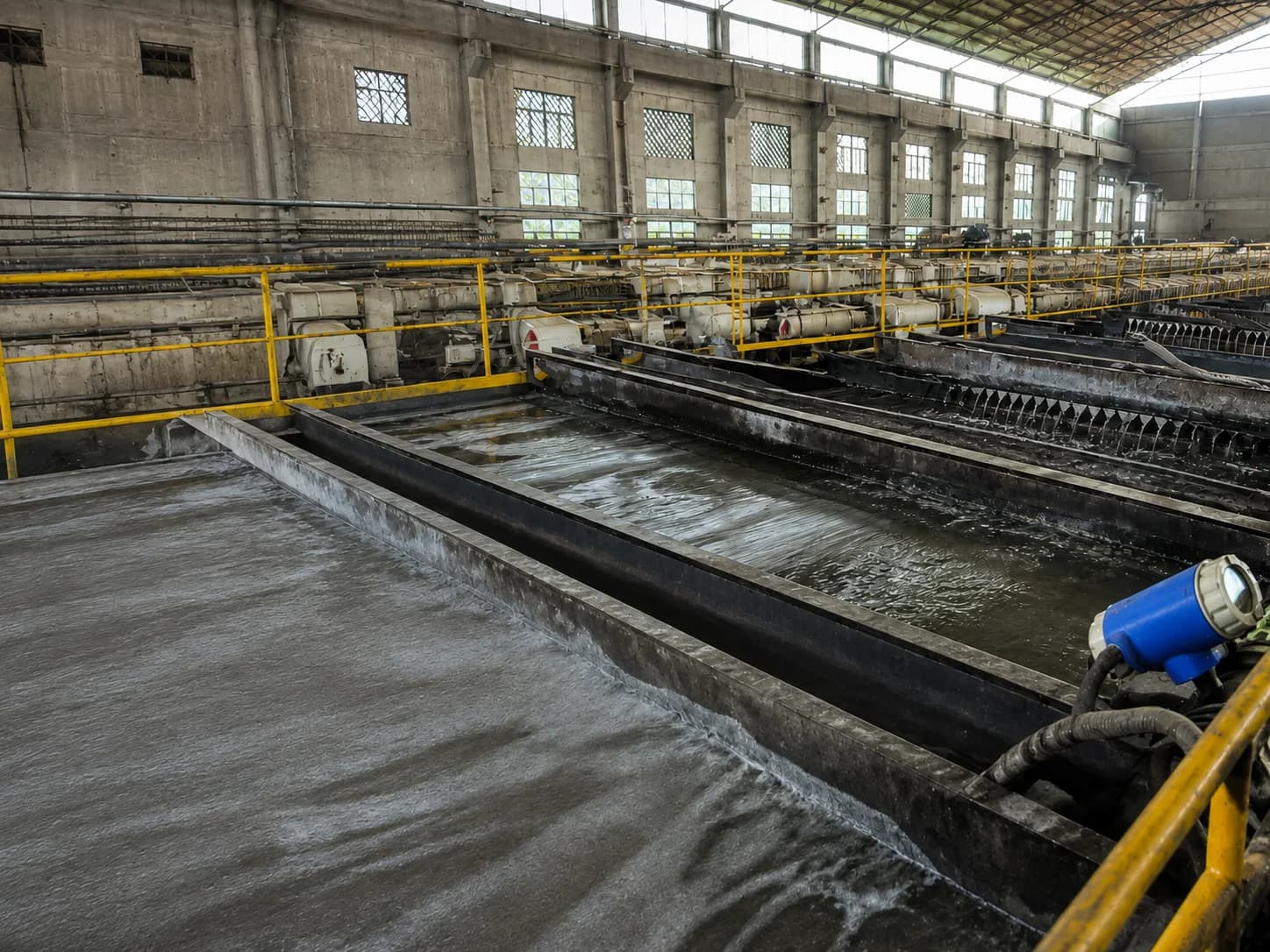
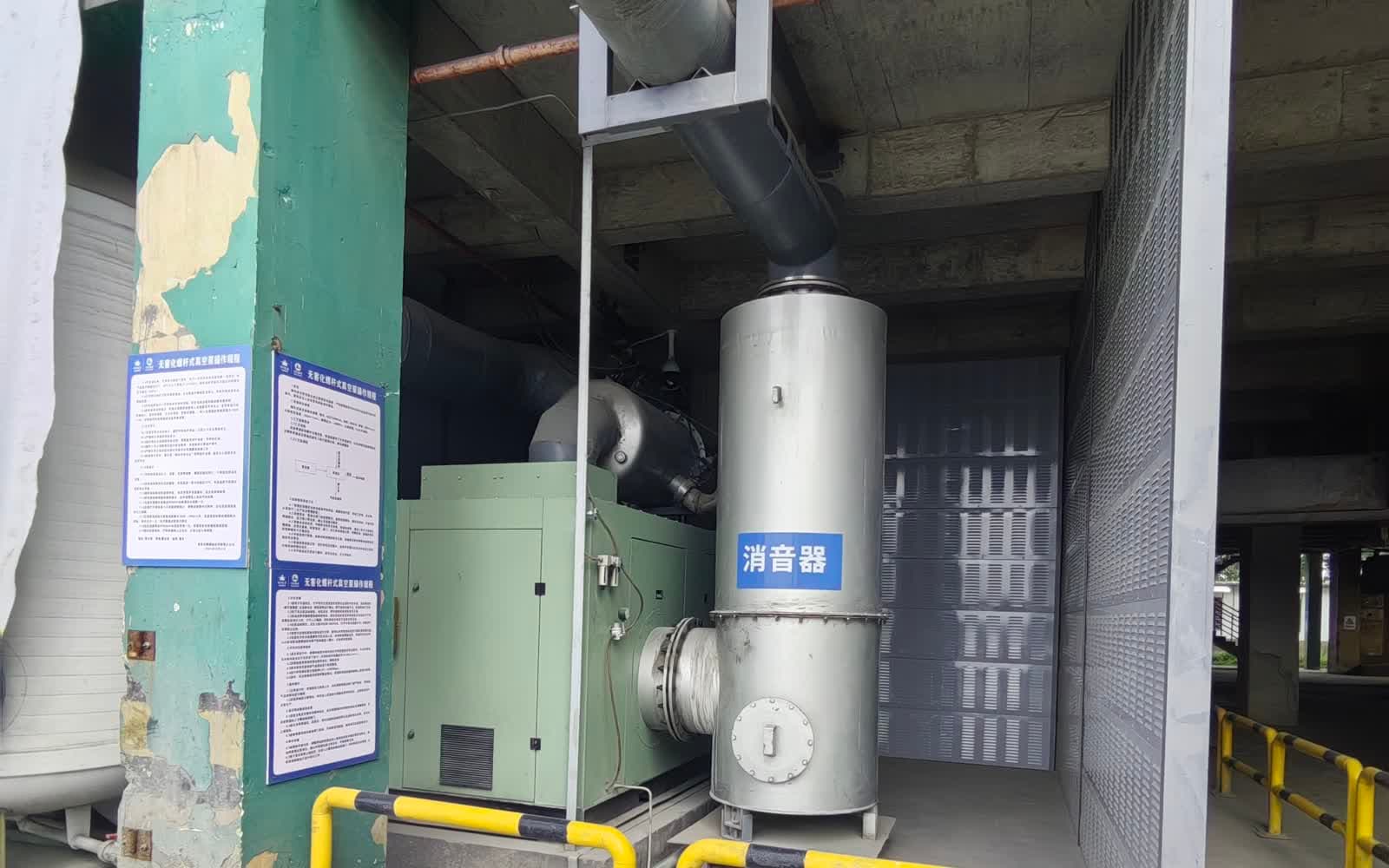
For phosphogypsum belt-filter duty, review the working pressure, required volumetric flow rate, wet carryover, fine solids, and process-liquid condition before confirming the package.
View the TF238 phosphogypsum case study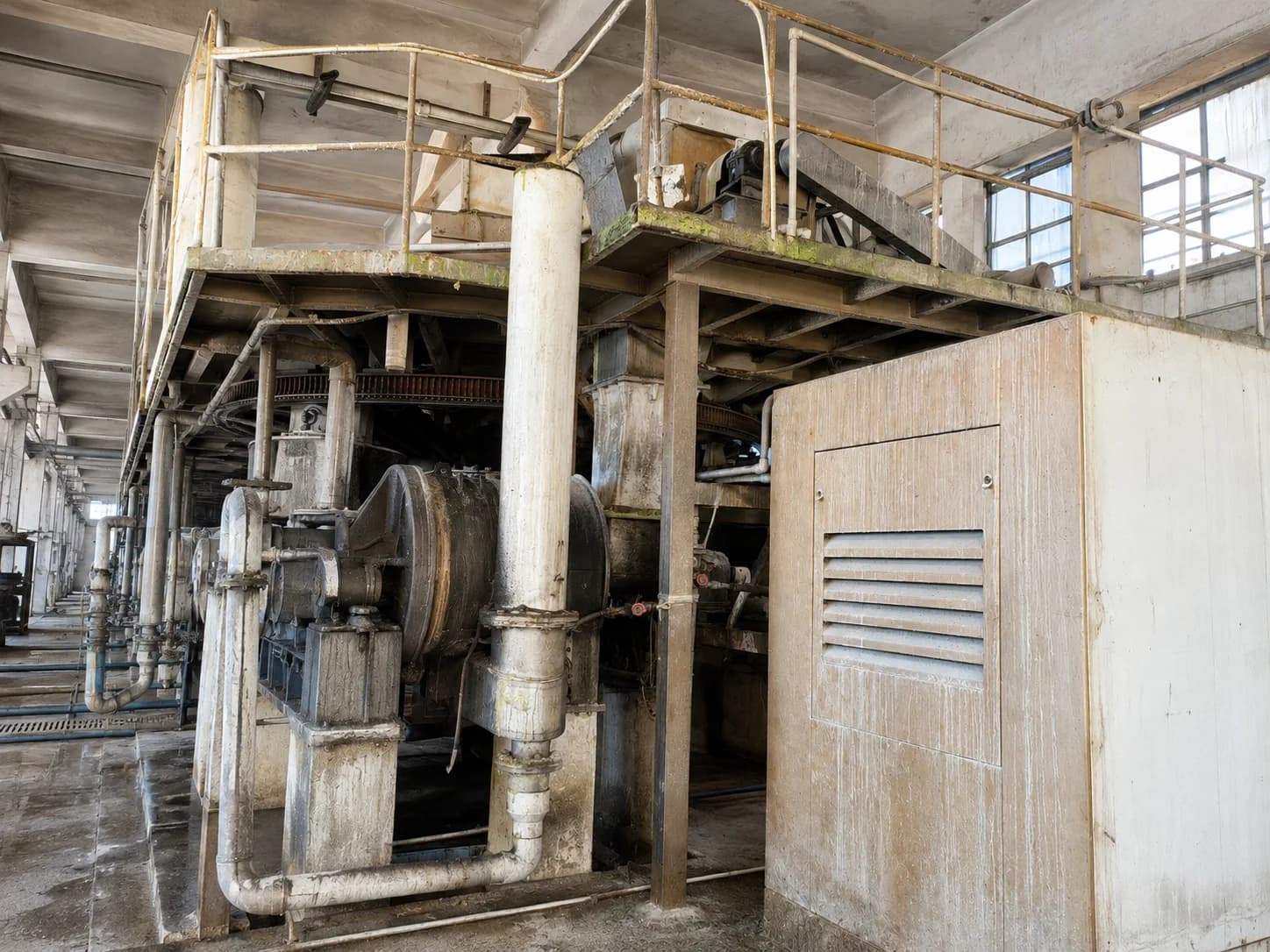
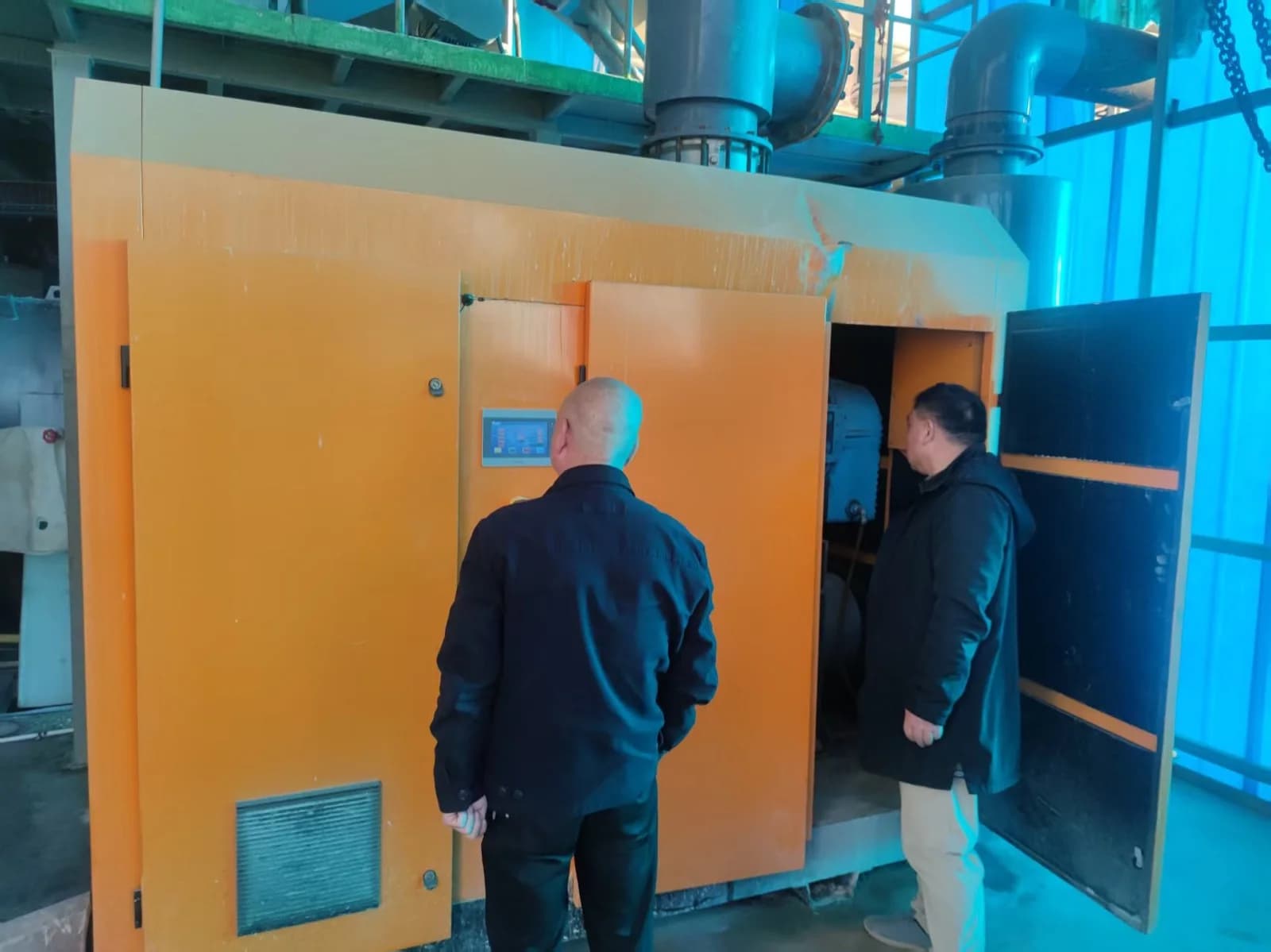
Titanium dioxide filtration can also involve corrosive media. We look at the equipment and carryover condition first, then determine where stainless steel is needed.
View the TR1900 titanium dioxide case study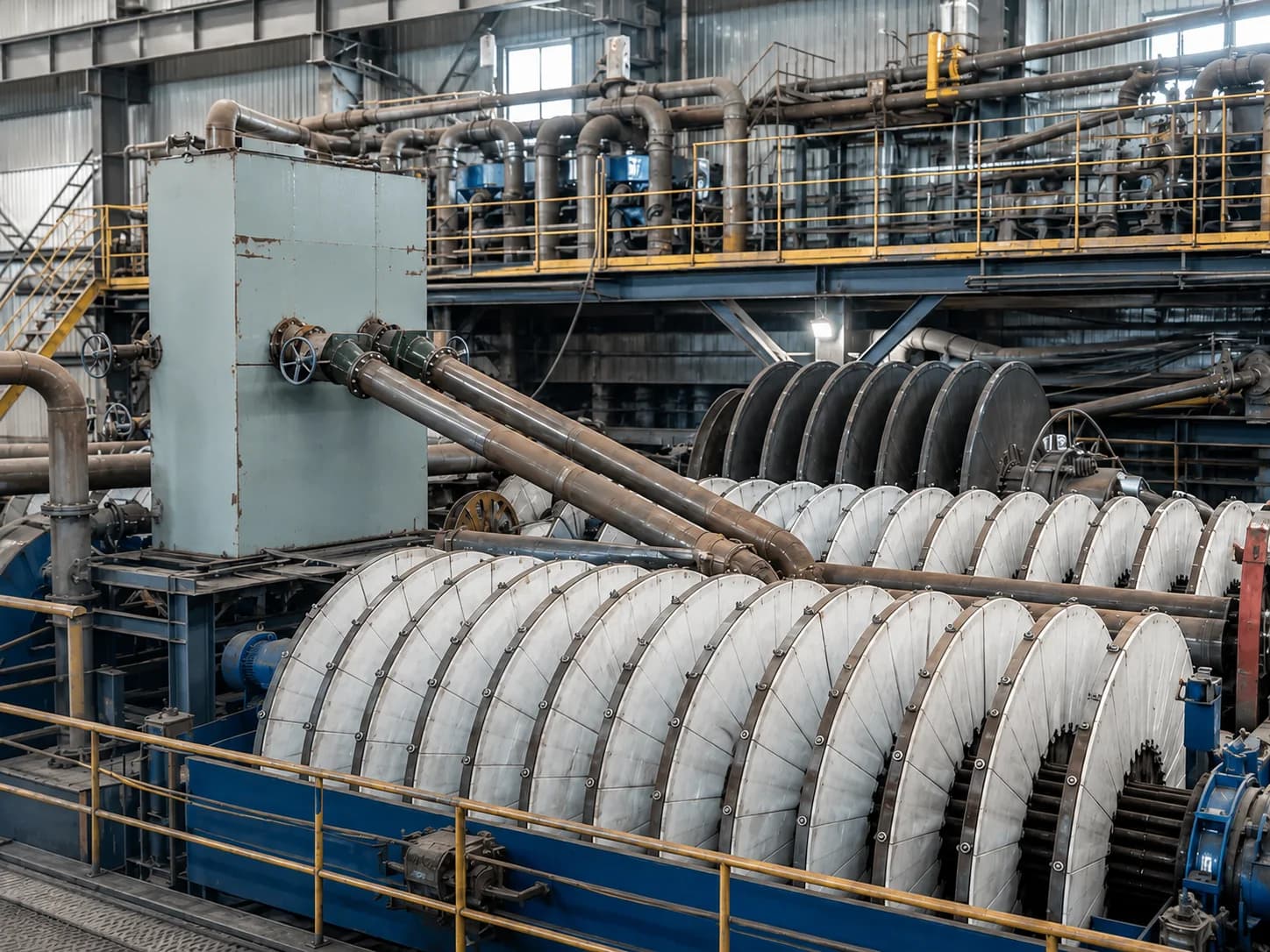
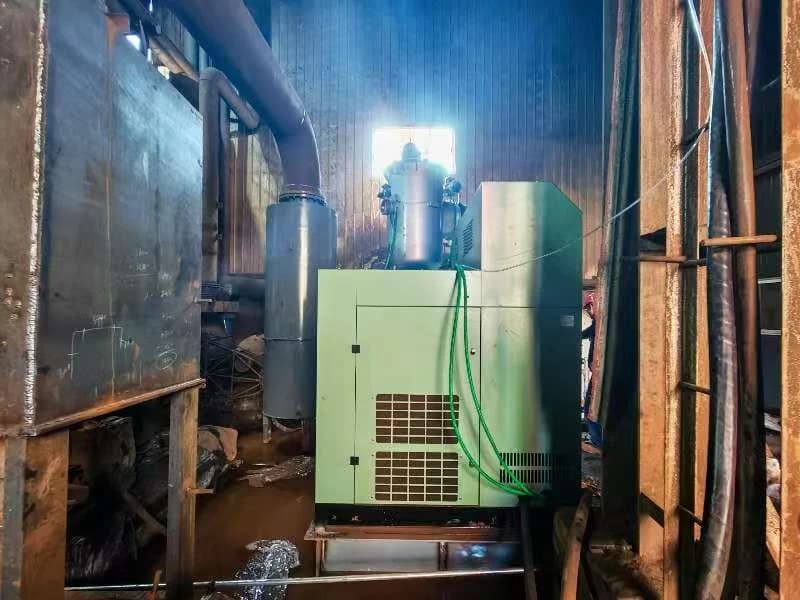
Cast iron can be a practical starting point for iron ore dewatering. Coating, solids protection, and operating duty are then reviewed against the site conditions.
View the TF273L iron ore dewatering case studyApplication advantage
Filtration and dewatering duties need a pump package that can maintain the required volumetric flow rate at the working pressure while wet carryover appears in the process. If the carried liquid may contain corrosive components, the review has to include material, drainage, separator, and protection details.
Dewatering lines need the required volumetric flow rate at the working pressure, especially when filter area, leakage, and holding time add load. The model name only frames the first discussion.
Liquid can be carried into the vacuum side during dewatering. We review the pump around that wet condition, including the possibility that liquid reaches the working chamber.
When the carried liquid may be corrosive, material and protection review become part of pump selection. Liquid condition, drainage, and separator layout should be checked before configuration.
The first RFQ can still start with pressure and required volumetric flow rate. After that, we check the liquid condition, corrosion risk, separator arrangement, drainage, and protection details before the final configuration is confirmed.
Project references
Each project records a different dewatering duty and site condition. For rough vacuum applications, see the SDR series dry screw vacuum pump range. Selection starts with working pressure and required volumetric flow rate; carryover, solids, and site conditions are then checked against the actual duty.
Send the required pressure and volumetric flow rate first. Carryover, operating duty, separator layout, and site details can be confirmed during follow-up.