
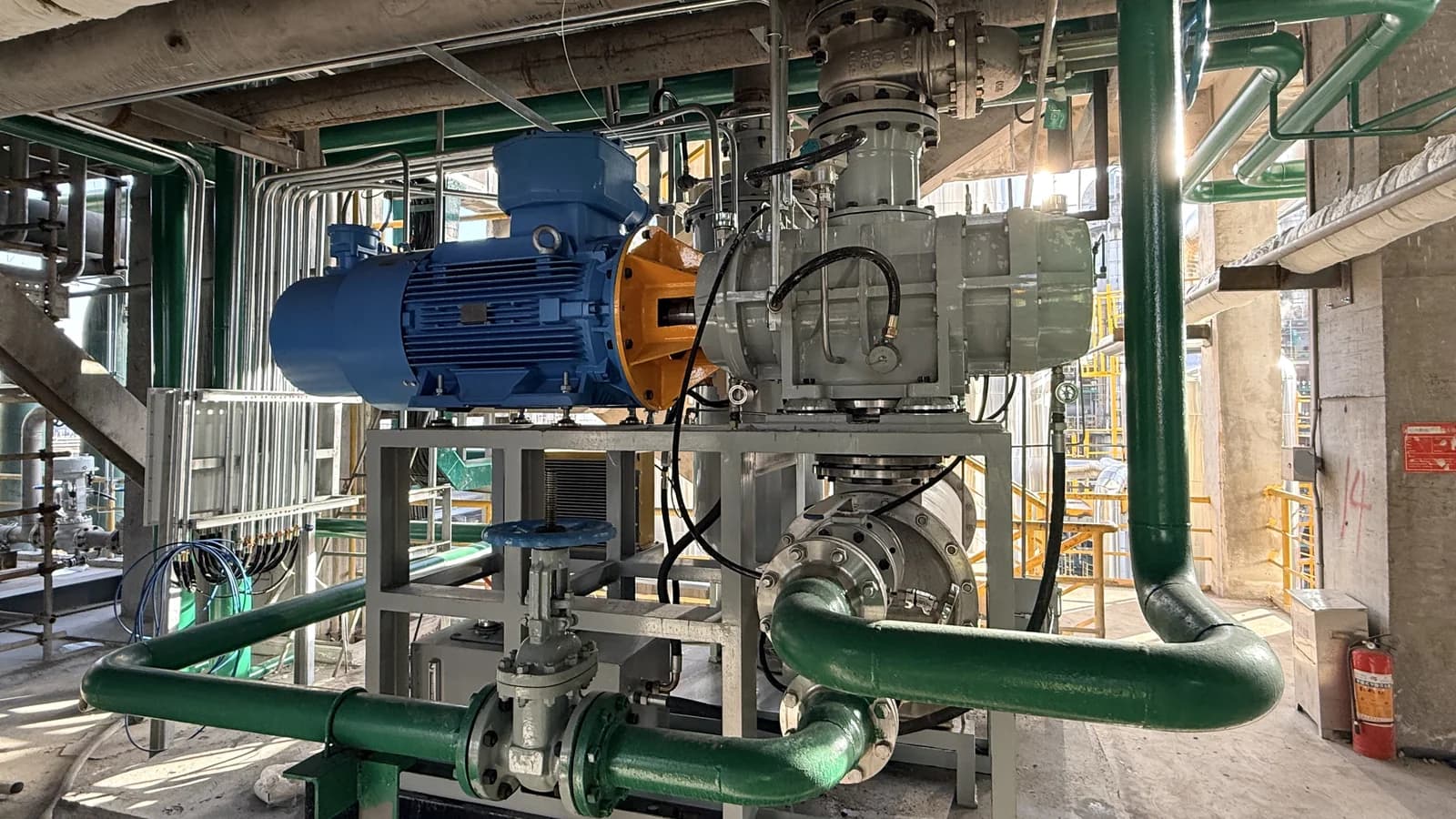
- For the initial review, send the working pressure and volumetric flow rate first.
- Gas condition, inlet temperature, duty cycle, and site limits can stay open until follow-up; they are checked before a configuration is recommended.
- Selection tables are only screening tools. The process conditions still decide seals, cooling, controls, and accessories.
- For tested examples with pressure and flow shown together, review the current TF105 and TF225 references on the dry screw vacuum pump page.
- When your approximate pressure and flow rate are ready, send them through the contact page to start the RFQ review.
Start with the operating point, not the model name
In the first message, give the operating point: working pressure and volumetric flow rate. Pressure sets the duty point for the pump; flow rate gives the required capacity at that pressure.
A model name still helps, especially when you are replacing an existing pump or asking about a known SC model. It should not carry the selection by itself. A model code does not show the gas load, vapor condition, inlet temperature, duty cycle, or site requirements. The same model may need a different review when the pressure point or process condition changes.
Why working pressure comes first
When a buyer sends only a pump model, the review still lacks the pressure point where the process needs the pump to keep moving gas. A dry screw vacuum pump that fits one pressure point may not give the same usable flow at another pressure point.
For the first RFQ, the pressure does not need to be perfect. Send the value and unit your team already uses, whether that is Pa, mbar, Torr, kPa, absolute pressure, or relative pressure. We can clarify the reference during follow-up before reviewing the pump configuration.
Why volumetric flow rate changes the discussion
In RFQ discussions, buyers may send the required capacity as volumetric flow rate, required flow rate, or pumping speed. The wording does not need to be perfect at the first contact, but the value should be tied to the working pressure so we can check usable flow at that condition.
An approximate value is usually enough for the first review. Before accessories or detailed process conditions enter the discussion, we normally check whether the pump size, speed-control option, and basic configuration are in a reasonable range for the required duty.
Why a fixed selection table is not enough
A fixed table can be useful for early screening, but it should not decide the final pump. Two projects can share the same pressure and flow target while requiring different seals, cooling, materials, controls, or accessories.
The recommendation may change when the RFQ includes conditions such as:
| Condition to review | Why it matters |
|---|---|
| Gas or vapor composition | May affect corrosion risk, sealing, purge, material, or coating review |
| Inlet gas temperature | May affect cooling, condensation risk, and accessory needs |
| Condensable vapor or wet gas | May require separator, condenser, drainage, or recovery discussion |
| Dust or particles | May change filter and maintenance planning |
| Duty cycle and operating hours | May affect motor, cooling, and reliability review |
| Site safety requirements | May affect electrical configuration and control logic |
A table can organize the first discussion. For the first RFQ, pressure and flow rate are enough to start; gas stream details, operating schedule, and site limits can be confirmed during follow-up before the configuration is recommended.
Use verified operating-point data carefully
Test data needs a pressure point before it can say much about selection. Current tested operating-point examples for models such as TF105 and TF225 are listed on the dry screw vacuum pump page, with inlet pressure and measured volumetric flow rate shown together.
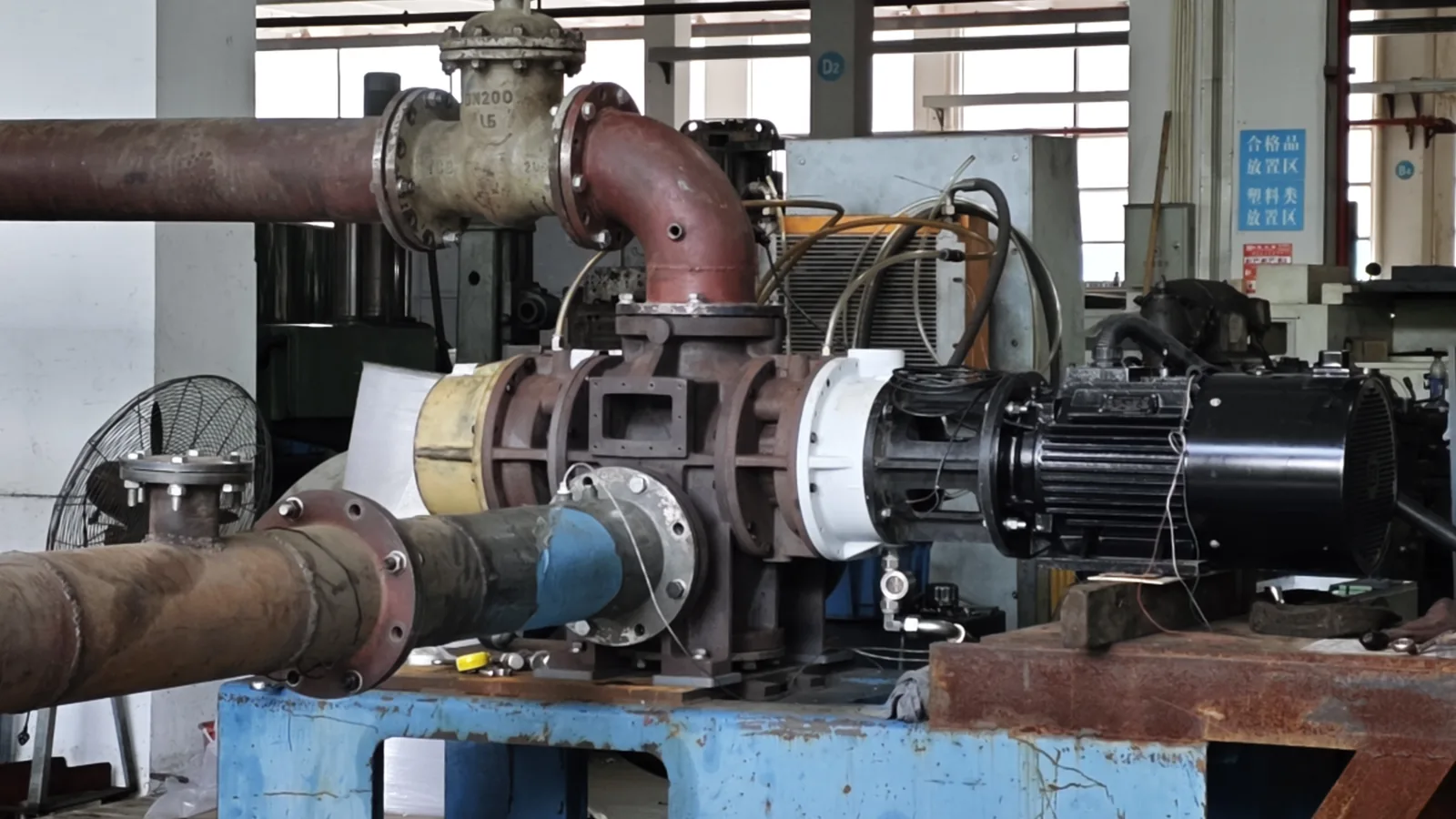
Those records put pressure and measured flow side by side, which is the part that matters for the first sizing discussion. After the RFQ, the review shifts from the tested point to the buyer's duty: gas stream, running pattern, site limits, and required configuration.
Power consumption follows the same logic. A pump may reach different pressure points, but holding a flow target can require different power at different operating conditions. In practice, motor selection and speed control are reviewed around the pressure range where the process needs the best balance between usable flow and power use.
What to send before asking for a recommendation
If you already know the working pressure and volumetric flow rate, send those two values through the contact page. We can start from that operating point, then confirm gas composition, inlet temperature, duty cycle, and site limits during follow-up before recommending the pump configuration.
For a broader preparation list, use the earlier RFQ checklist article. This page is narrower: it explains why pressure and flow rate should be reviewed together before the model discussion goes too far.