Working condition
Define the operating point from the working pressure and required volumetric flow rate before selecting a TF model.

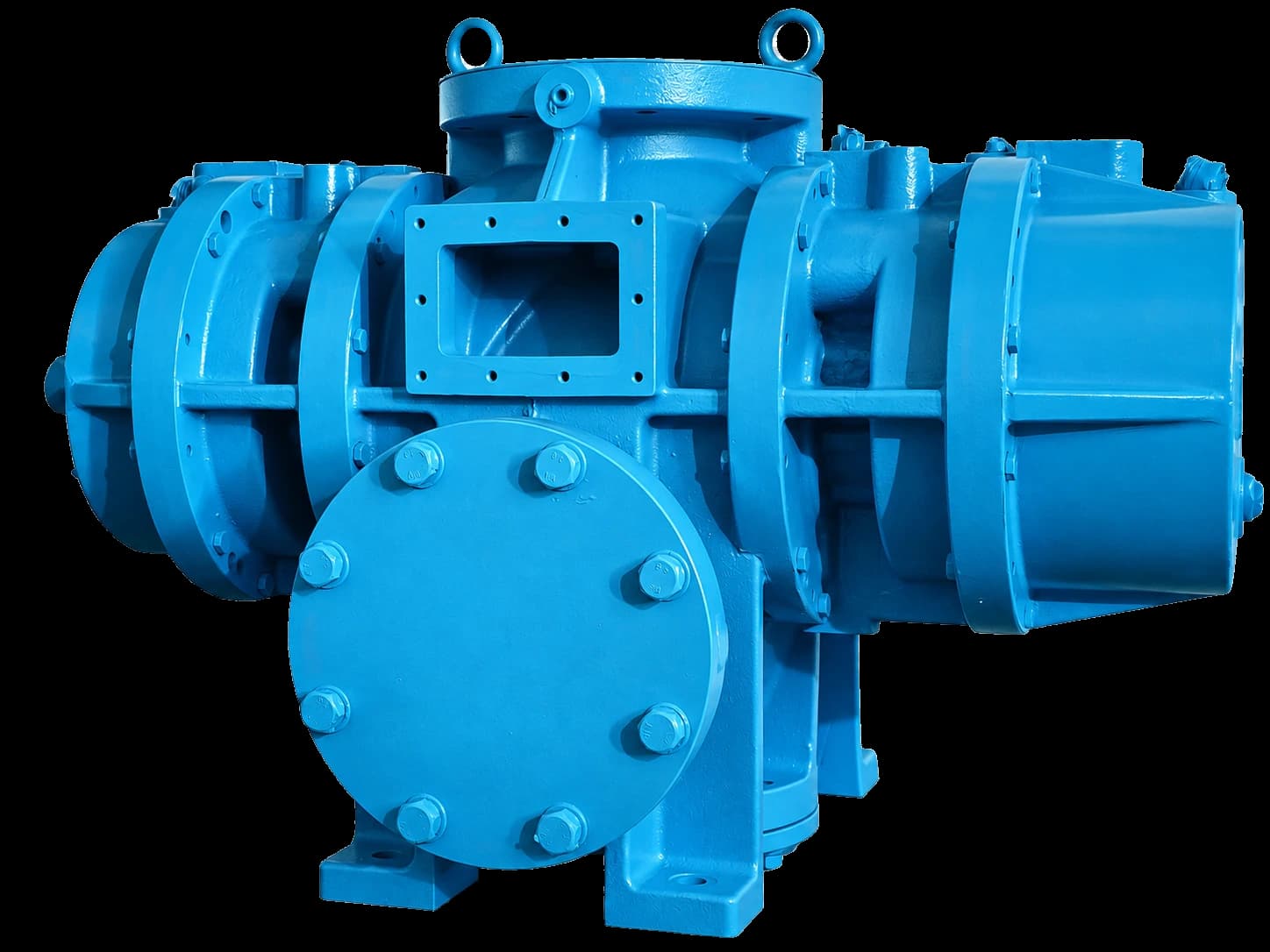
Engineering foundation
Start TF selection with the working pressure and required volumetric flow rate for the process. Then check the gas conditions and operating limits against the pump.
Define the operating point from the working pressure and required volumetric flow rate before selecting a TF model.
Review gas composition, vapor conditions, inlet temperature, wet carryover, and solids risk before confirming the configuration.
Match materials and seals to the process medium, temperature, corrosion risk, and site requirements.
Our technology

SC Air Power Tech uses a specialized 3/4 rotor profile to improve volumetric efficiency in rough-vacuum operation and reduce power consumption.
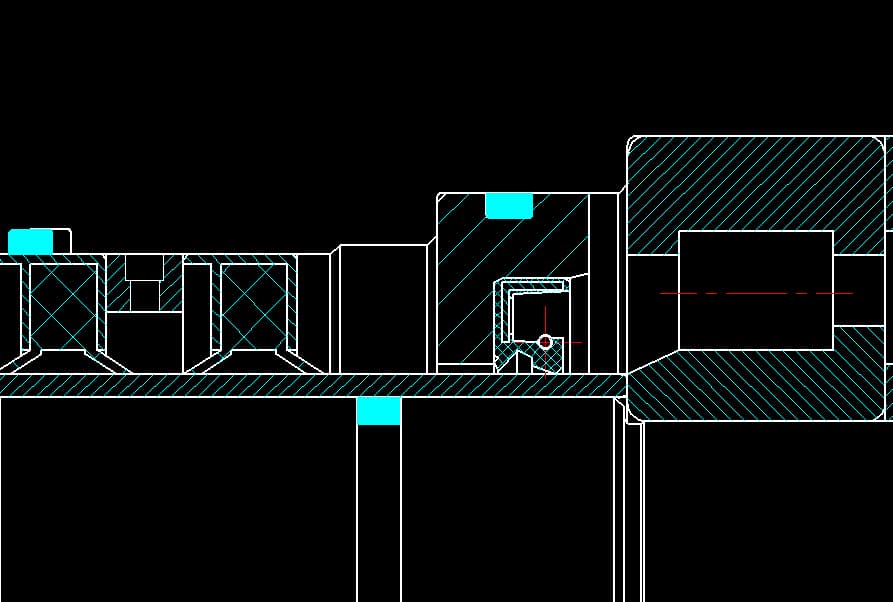
SC Air Power Tech provides standard sealing arrangements and can tailor the sealing structure to the customer’s operating environment.
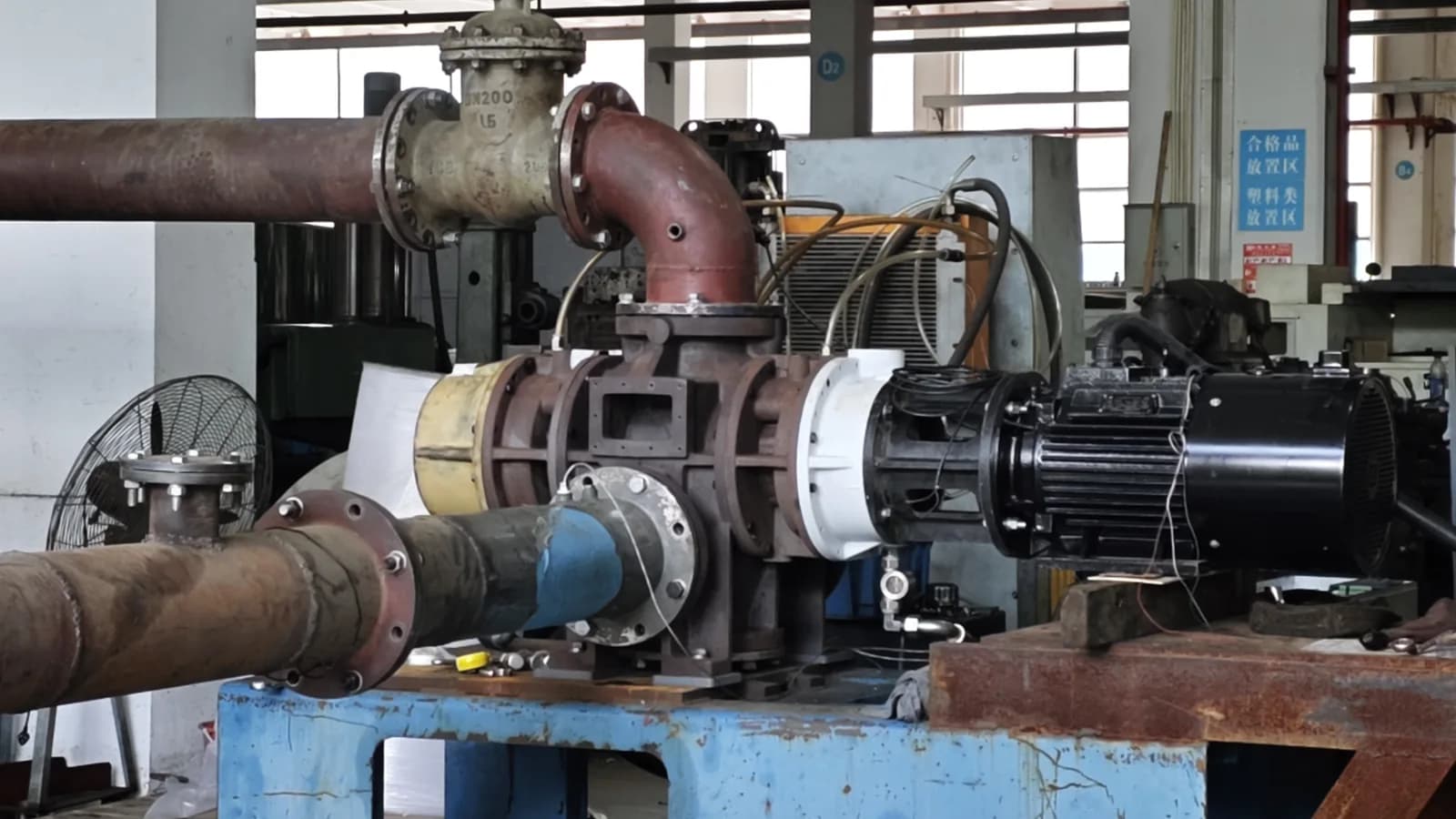
SC Air Power Tech offers water- or air-cooling options for the pump head to keep it within the intended operating range.
Model references
TF105 and TF225 are the current public model references. Their data points help begin a discussion, but the operating point remains the basis for final selection.
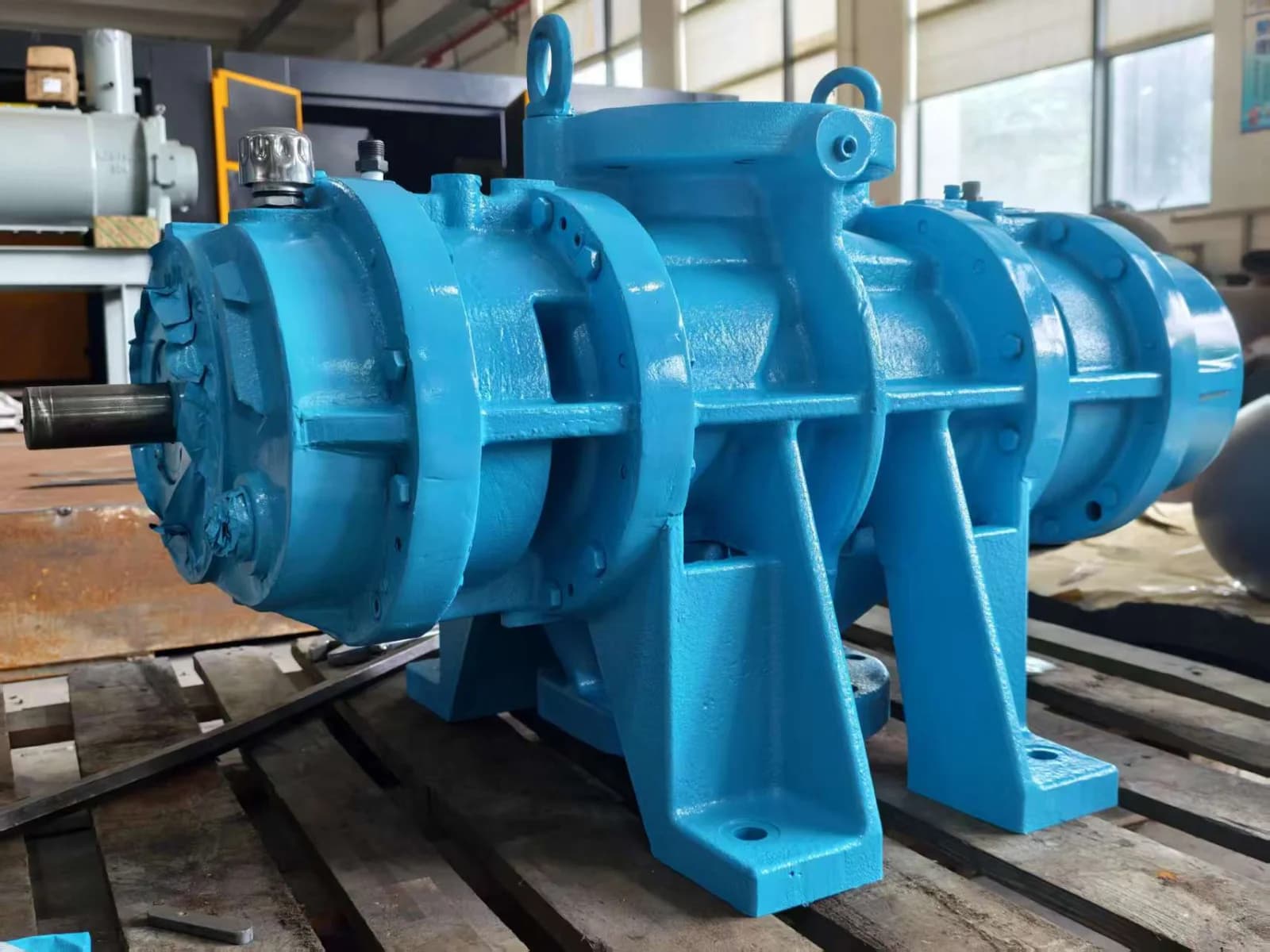
Two verified operating-point references are available. They show why flow rate must be read at the actual pressure, not from the model name alone.
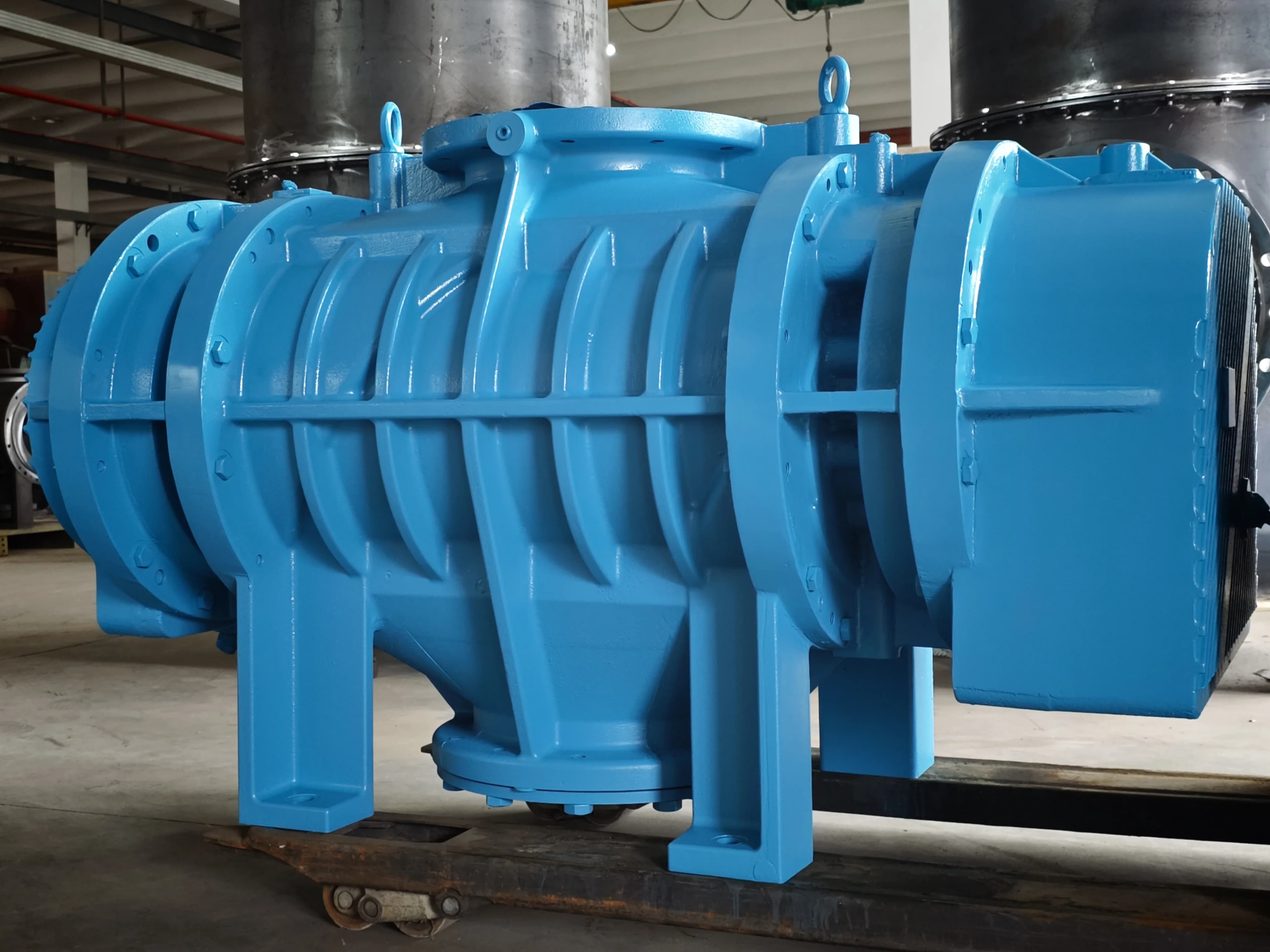
One verified operating-point reference is available for a larger rough-vacuum duty. It is a reference point, not a full performance curve or a fixed selection rule.
Project reference
One TF105 dry screw vacuum pump was tested on the same plastic thermoforming production line for 24 hours. This customer-site reference supports a process-specific discussion; it is not a universal result for every thermoforming line.
Read the TF105 thermoforming case study →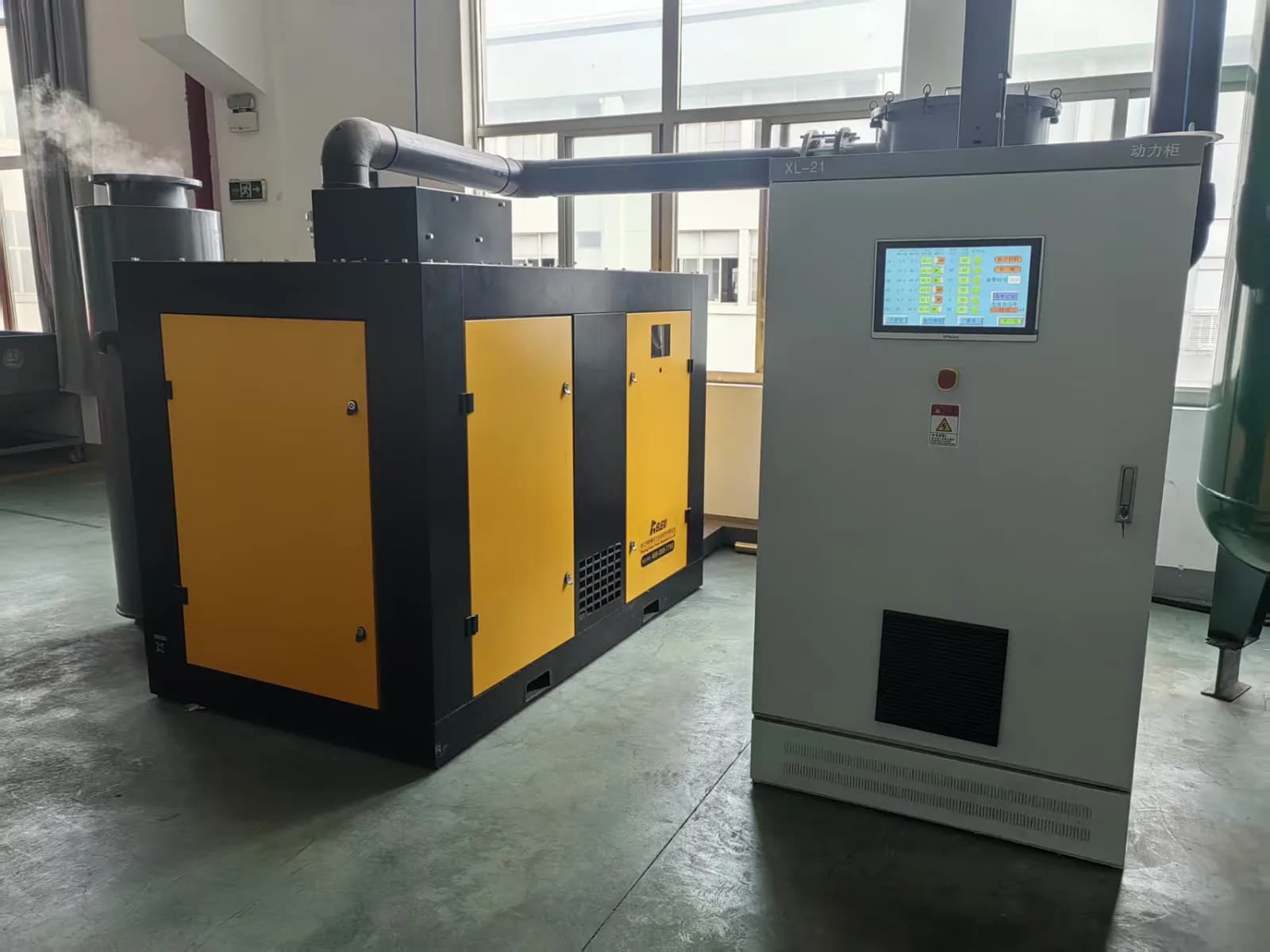
Design and selection review
The TF platform is reviewed against the real duty before a model, configuration, or quotation is recommended.
TF is positioned in the SDR rough-vacuum product path. The first design check is whether the process runs in the pressure and flow conditions that belong in an SDR review.
A series name does not decide the final configuration. Required volumetric flow rate at the working pressure is reviewed before moving from the TF platform to a specific model.
Gas condition, vapor, temperature, wet carryover, duty cycle, and site requirements affect the system review around the pump. These conditions are collected before quotation.
Selection input
A useful TF review starts with the operating point. The remaining information helps define the process and system boundary.
01Working pressure
Share the pressure value or range at which the process operates.
02Required volumetric flow rate
State the required flow at that working pressure, if known.
03Gas and inlet condition
Identify dry gas, vapor, condensable components, dust, or possible liquid carryover.
04Operating pattern
Include pump-down requirement, cycle time, running hours, and temperature where available.
05Site boundary
Add current equipment, installation limits, electrical requirements, and safety requirements.
FAQ
The answers below set the boundary for an initial TF discussion before detailed design documentation is supplied.
Send the working pressure and required volumetric flow rate first. We can then review gas condition, operating pattern, and site limits with you.