
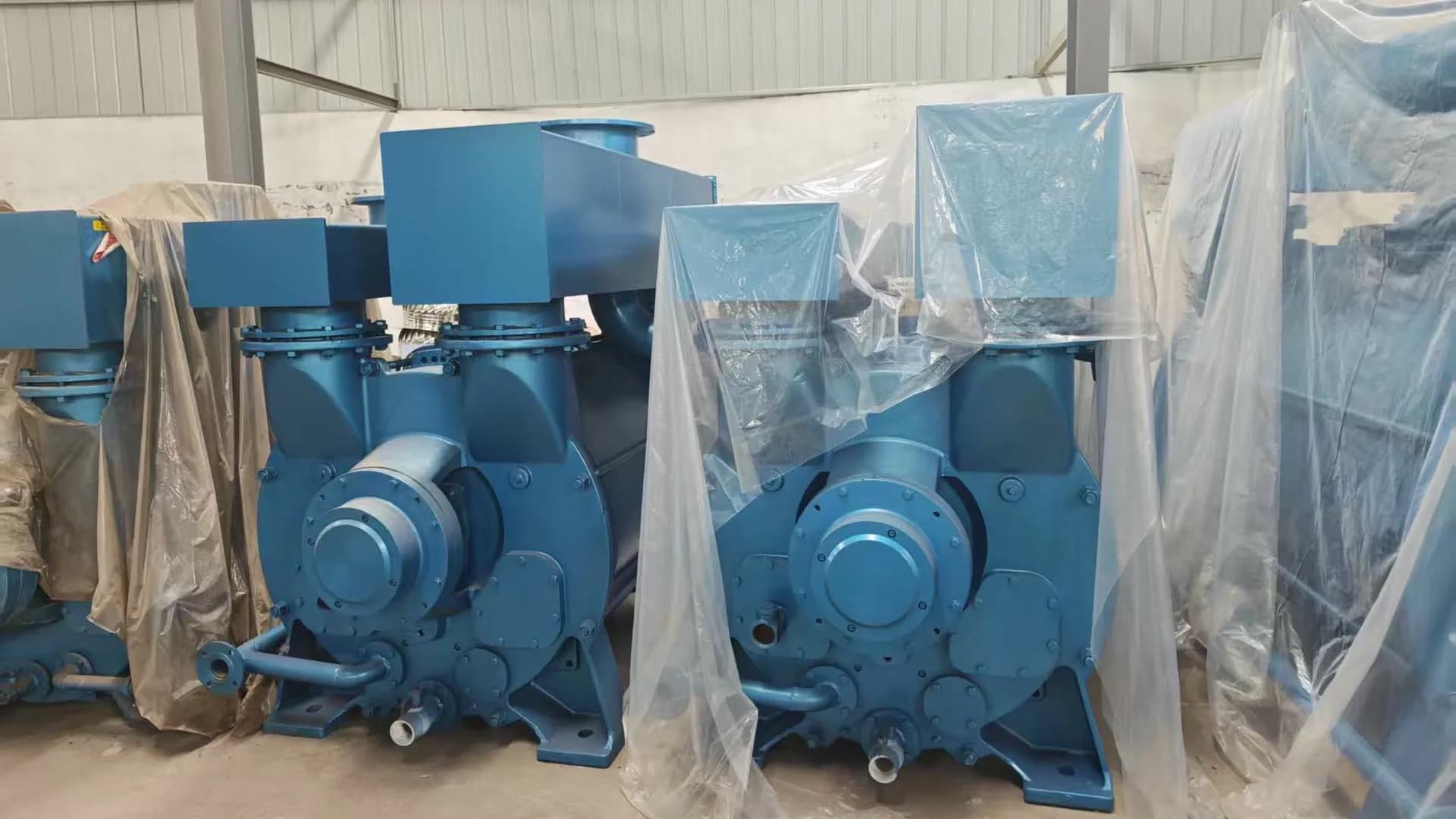
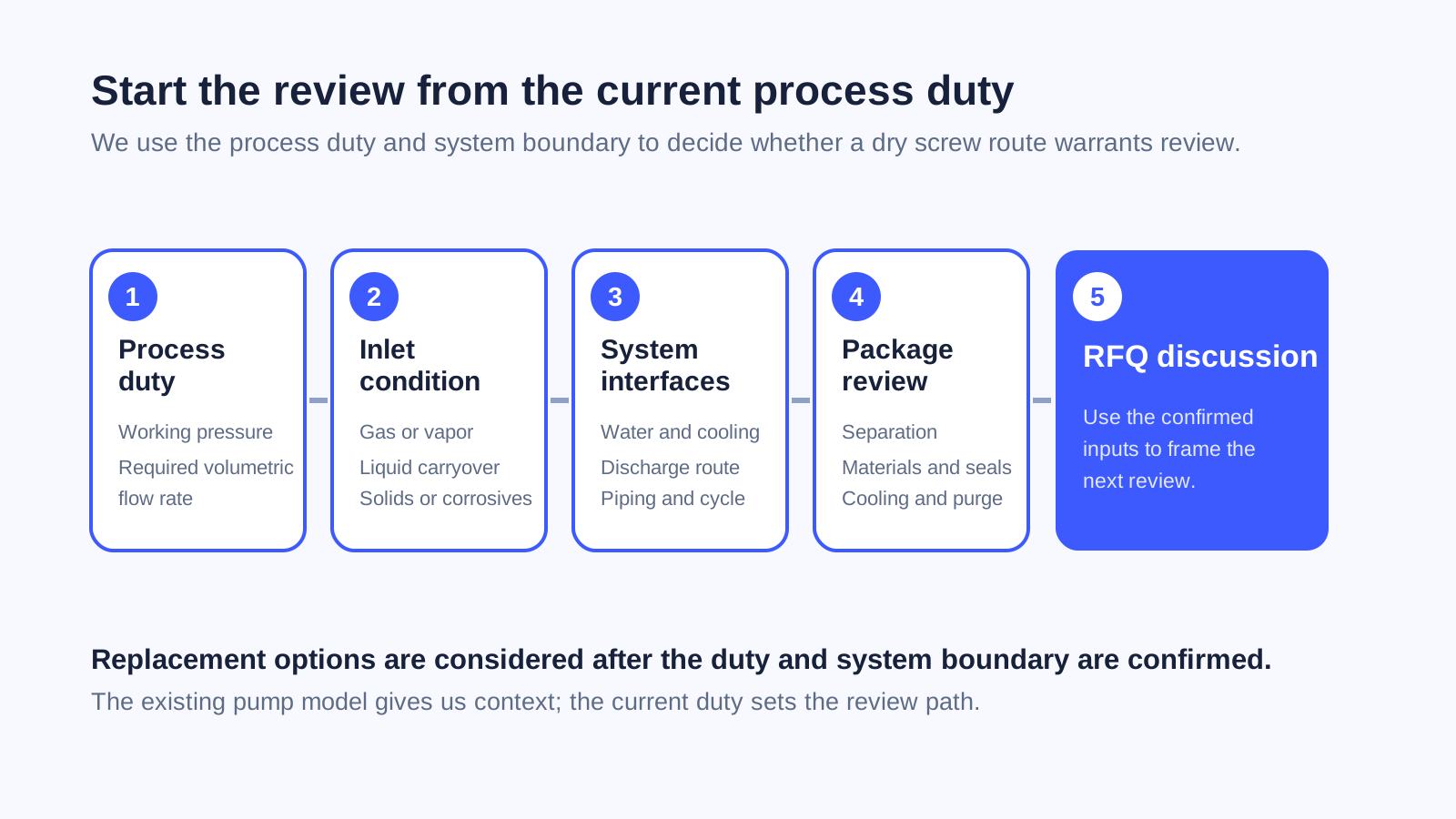
With a failed water-ring pump on a shared vacuum header, our first review is the duty the system still has to hold: working pressure and required volumetric flow rate. We then look at the failed unit's role, what the remaining pumps are carrying, which branches run together, and what standby capacity or control arrangement must remain in place. From there, we can decide whether to restore one water-ring pump, review the pump group, or consider a dry screw route.
A shared header may link several vacuum sources to multiple workstations or process branches. TAPPI's guidance for evaluating single-stage liquid-ring pump performance notes that suction and discharge flanges are often manifolded.1 Each plant has its own piping and operating sequence, so we map the header run, connected branches, simultaneous operation, and isolation points before defining a replacement.
We can begin even when the site does not yet have a complete set of records. Existing equipment and piping, old model information, nameplates, maintenance notes, and historical power records give us useful context; we then check them against the current duty. In this article, we set out the shared-header boundary, the available replacement routes, and the information needed before an order is placed.
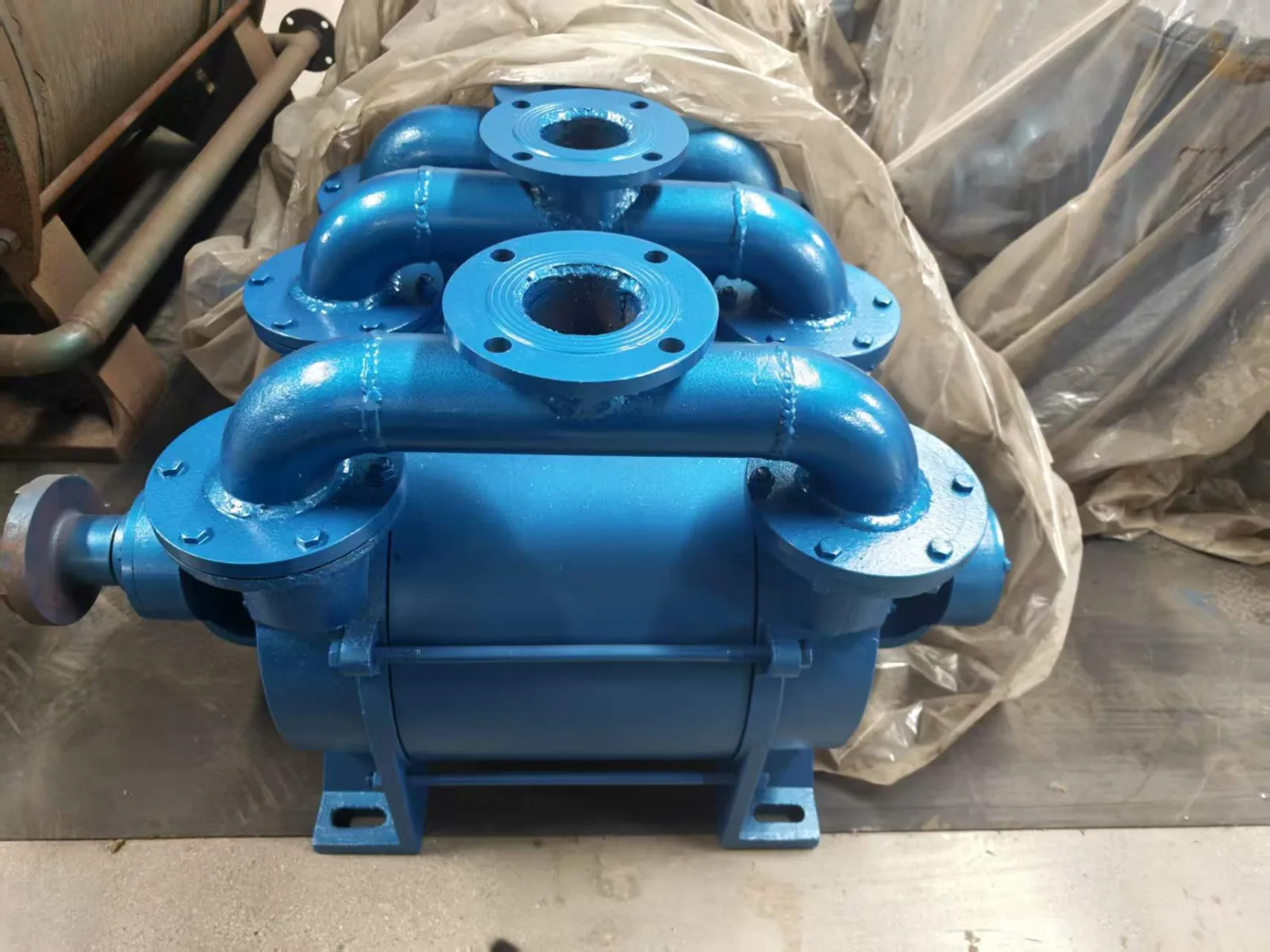
Why Does a Shared Vacuum Header Change the Replacement Review?
On a shared vacuum header, a local pump is part of a wider operating system. The vacuum source, connected branches, valve positions, and workstations that run at the same time together determine the duty at the header. Before we review a centralized package, we assess the highest credible combined demand across the connected branches, not only the duty at the failed pump.
We begin by mapping the system boundary: the vacuum sources, main header, connected branches, and what each branch can introduce or require. A finished P&ID is helpful but not essential for the first review. We need to know which branches can operate at the same time, how they are isolated, and whether liquid, vapor, solids, or leakage can enter the common line.
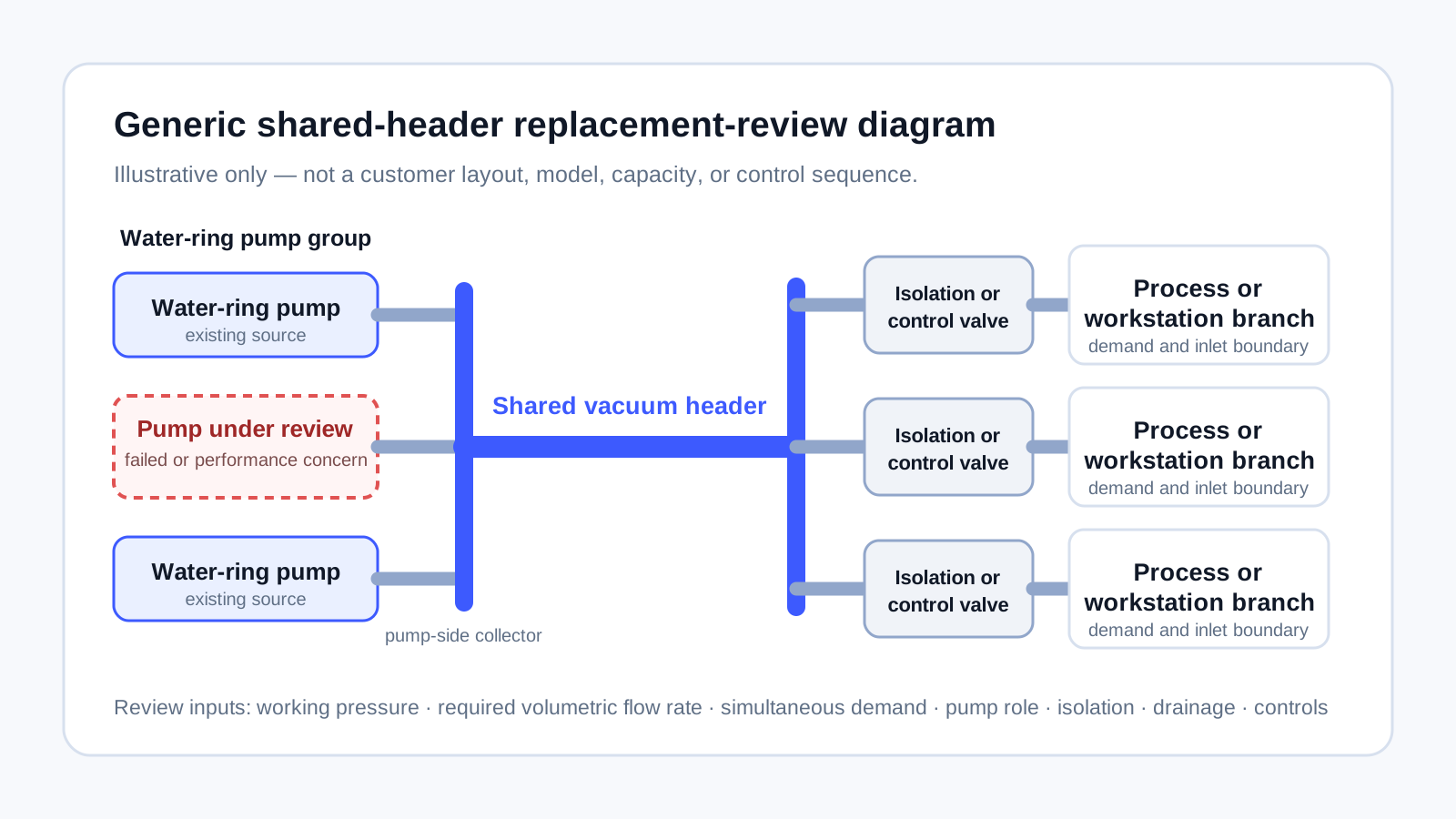
This diagram provides a starting point for the review. The final arrangement must be based on the actual installation, including the number of branches, piping lengths, isolation points, controls, standby capacity, and inlet conditions.
What we check before defining the replacement scope
Before treating a failed water-ring pump as an isolated replacement, we map its place in the header and control sequence. We check whether taking it out of service, bypassing it, or changing it would affect the vacuum available to other branches; which other sources may operate at the same time; which branch loads can occur together; and where the inlet boundary sits. This keeps the review tied to the duty of the full system, rather than to the local fault alone.
| What we need to clarify | Why we ask | Information that helps us start |
|---|---|---|
| What vacuum duty must the system maintain? | The replacement must support the current process duty, rather than be selected from the old pump model alone. | Working pressure and required volumetric flow rate, with units and the absolute or gauge basis if known. |
| Which process branches share the header? | Each branch may have a different demand, inlet condition, or isolation arrangement. | A simple piping sketch, a branch list, or photos of the accessible system. |
| Which branches can operate together? | Branches running together determine the combined demand at the common source. | Operating sequence, shift pattern, and known peak combinations. |
| How are branches controlled or isolated? | Valve positions determine which branches are connected to the header at a given time. | A description of the manual or automatic valves and any available control notes. |
| What may enter the header? | Vapor, liquid, solids, or leakage can change the inlet protection and drainage needed. | Process description, known carryover, drains, separators, and maintenance observations. |
Which Operating Conditions Must Be Mapped Before Replacing One Pump?
After mapping the header, we establish the current operating duty at the relevant measurement point. We start with working pressure and required volumetric flow rate, then confirm the inlet stream, operating cycle, and existing water and discharge interfaces that determine the next review step.
Use current site data rather than relying only on the original selection record. In an older water-ring installation, current performance and power consumption may differ from the original record. Operating condition, wear, internal clearances, sealing-liquid condition, control settings, and system resistance all need to be considered against the required duty.
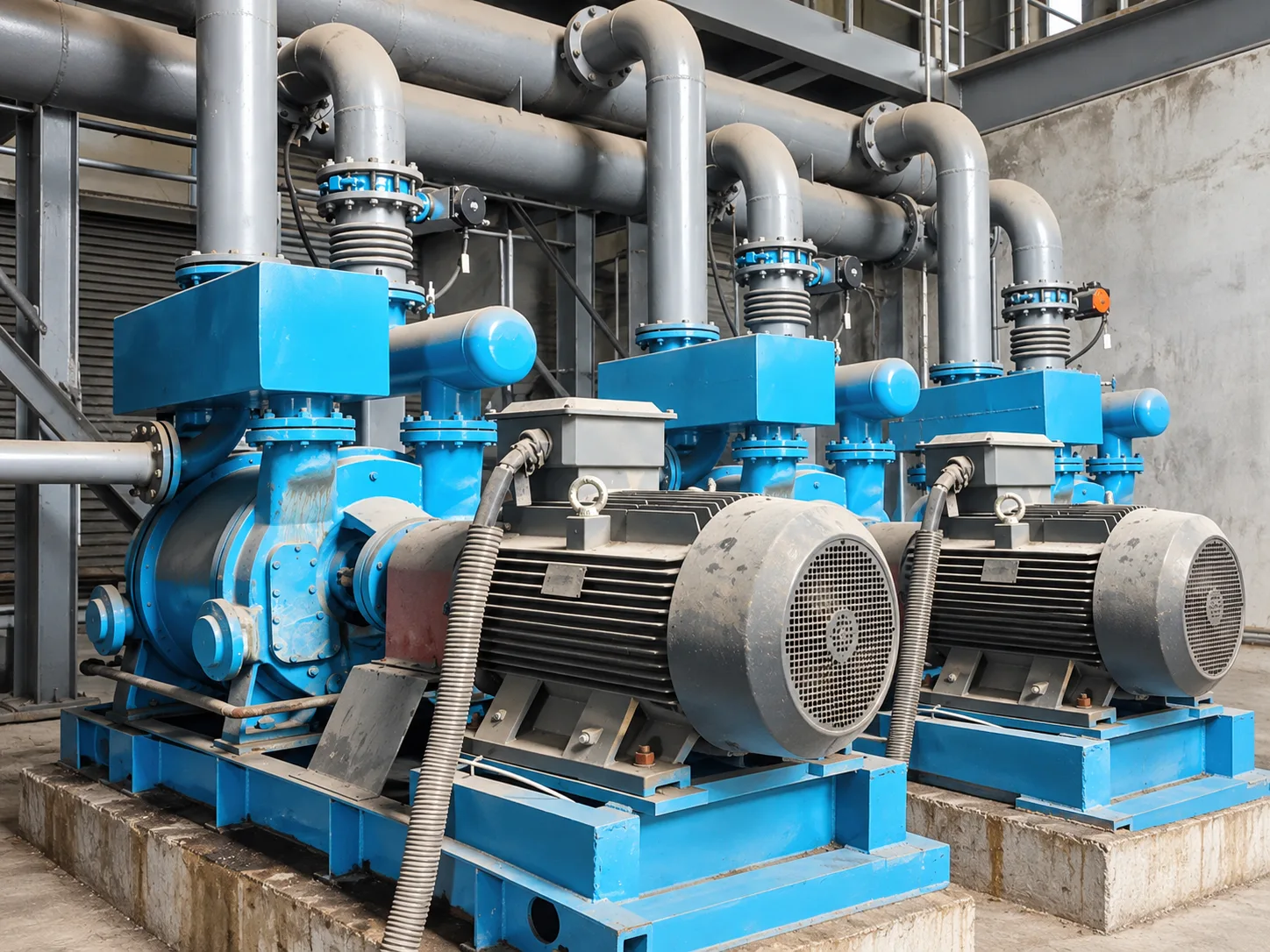
Measurement location and condition matter as well. ISO 21360-1 describes standard methods for measuring volume flow rate and notes that, at low pressures, connection-line resistance can influence measured pressure and the resulting volume-flow result.2 In our site review, we record where each value was measured and which operating condition it represents; the standard does not calculate losses in a specific shared header.
These checks frame a site-specific review; they are not a general performance curve for water-ring pumps. Initial margin, the way pump performance changes, and the reason for any change in power consumption must be established from the site record.
The operating and inlet information that changes the next decision
| Input to confirm | What it changes in the review | What we clarify next |
|---|---|---|
| Working pressure | Identifies the pressure the process must maintain. | Where is this value measured: at the header, at a branch, or elsewhere in the process? |
| Required volumetric flow rate | Identifies the gas volume the system must handle at that pressure point. | Is this value a process requirement, a current measurement, or an original design point? |
| Gas or vapor condition | Sets the inlet, material, discharge, and protection requirements. | Does the gas stream include vapor, corrosive constituents, or condensable components? |
| Liquid carryover or solids | Defines the separation, drainage, filtration, cleaning, and inlet protection required. | Can droplets, slugs, residue, or solids reach a branch or the header? |
| Operating cycle | Shows whether demand is steady, cyclic, or variable, and when the peak load occurs. | Which workstations run together, and when does the highest combined demand occur? |
| Existing water and discharge boundary | Defines the water, drain, and exhaust interfaces that may change with the pumping technology or connection route. | Where do sealing water, drains, exhaust, and separator discharge go today? |
How Do Load Sharing, Standby Capacity, and Controls Shape the Review?
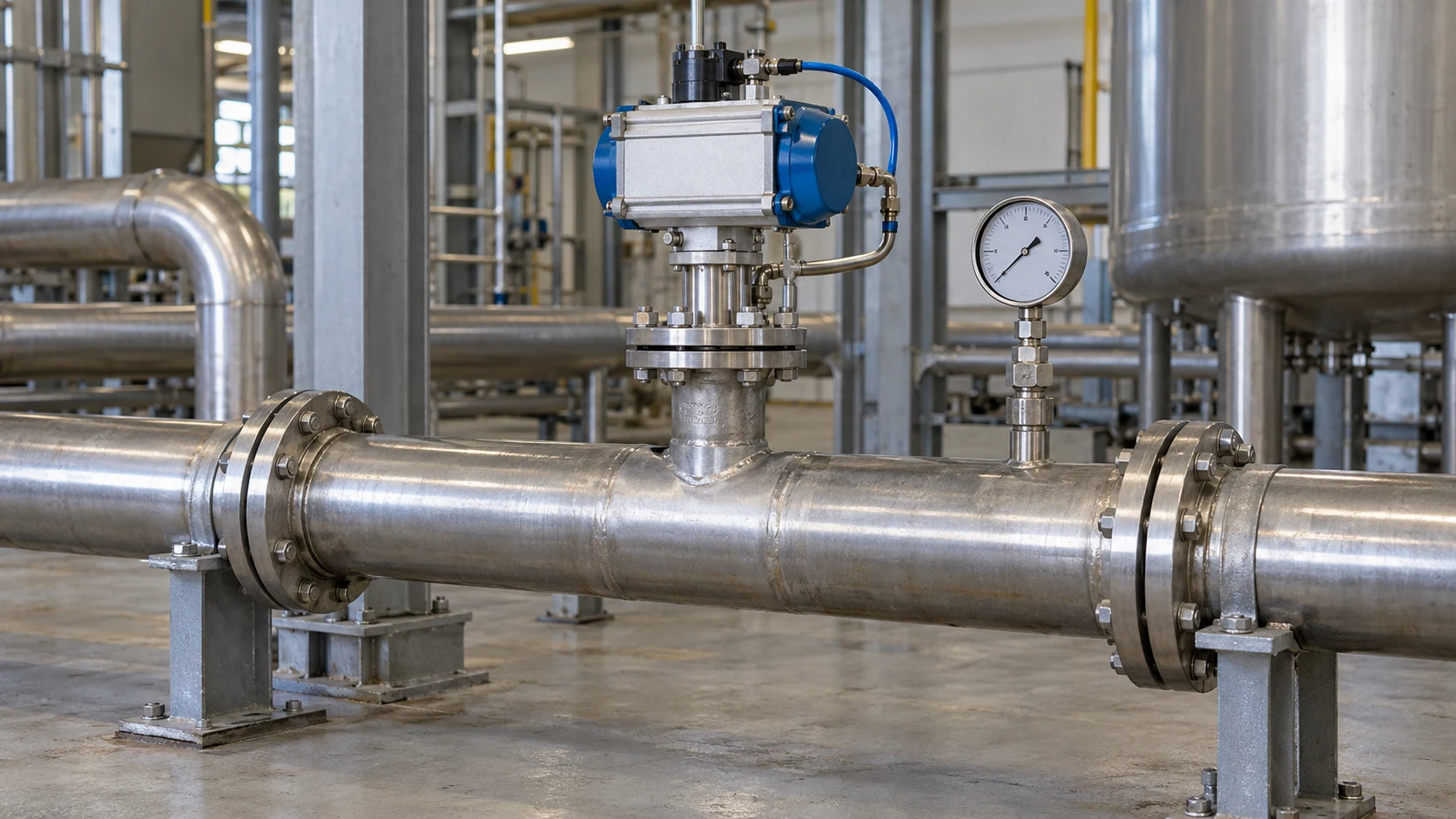
On a shared header, the review needs to reflect how demand is actually managed. We establish which pumps run together, whether another source can take over, and how the control system responds as branches open or close. A photo or pump list cannot confirm that operating sequence, so we ask what must remain available after the change.
We separate the normal operating duty from the highest simultaneous branch demand and from the duty the system must carry when a pump is isolated for maintenance or failure. A standby source may change the expected response in that event. Where no standby capacity exists, the review needs to account for that operating limit directly.
Control and availability checks
For the first review, establish:
- Which workstations or process branches may draw vacuum at the same time.
- How each branch is opened or isolated: a manual valve, solenoid valve, or another method.
- What the control system measures or maintains, where records are available. A photo or pump list alone cannot establish a pressure-control sequence.
- Any known standby source, bypass, manual operating routine, or maintenance-isolation procedure.
- Whether the header includes drains, separators, low points, or other locations where liquid may collect.
- The difference between the current operating routine and the arrangement the site wants to achieve.
These checks give us the system context to review continued water-ring service, a centralized dry screw route, or another change path.
When Should One Pump Failure Trigger a Wider System Review?
One failed water-ring pump calls for a wider review when it also points to a concern in the rest of the pump group, such as documented maintenance issues, performance concerns, or rising power consumption. We still begin with working pressure and required volumetric flow rate, then establish whether the shared-header duty can be maintained with a local replacement, a revised water-ring arrangement, or a dry screw route while preserving the required redundancy.
Replacing the failed unit with the same model may be the fastest way to return an established arrangement to service. Before taking that route, we check why the pump failed and whether its original duty still fits the system. If another water-ring pump also has a documented maintenance, performance, or power-consumption concern, we extend the review to the pump group.
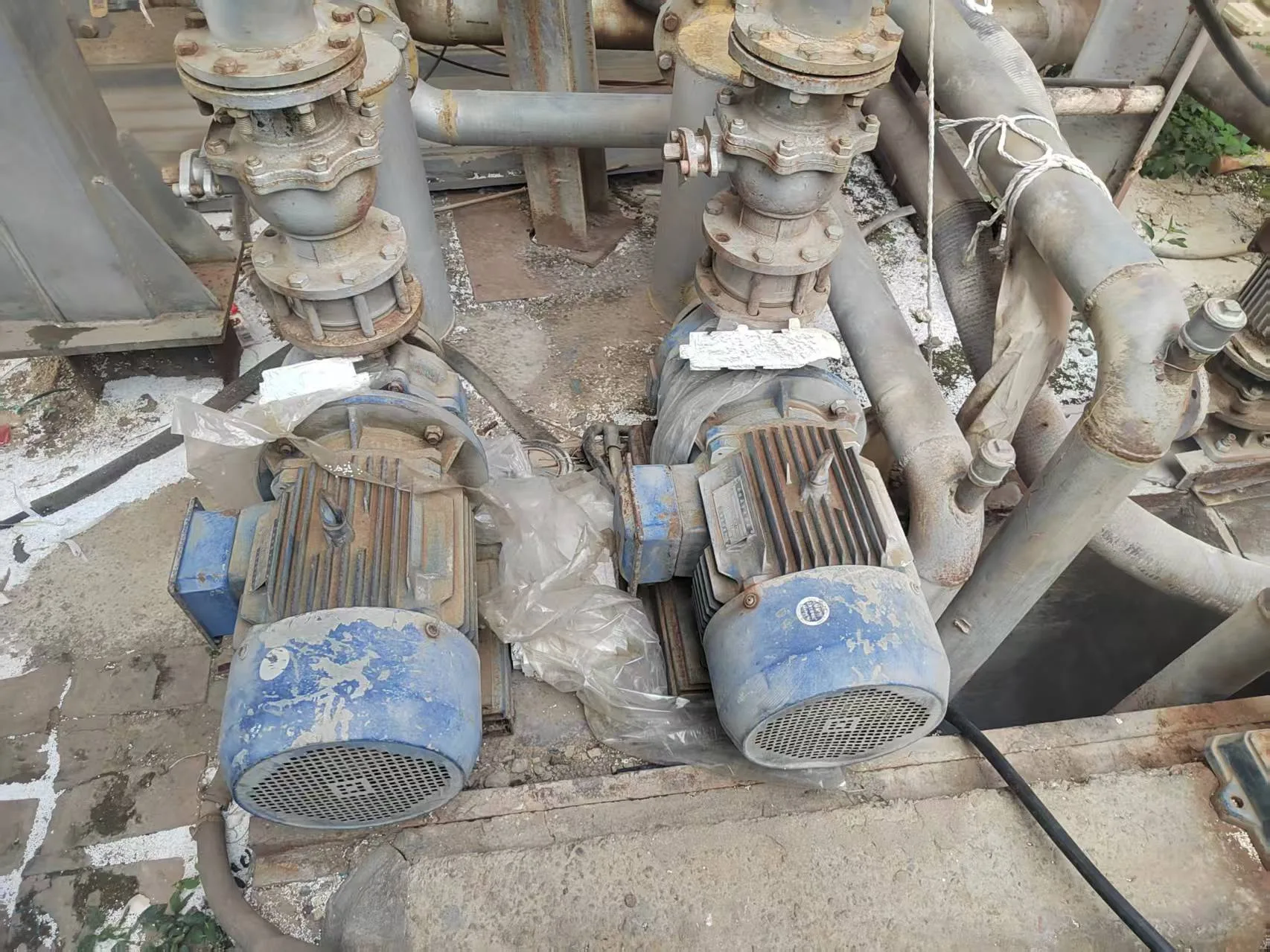
Once the review extends beyond the failed unit, we compare a local water-ring replacement with a wider pump-group renewal and, where relevant, a dry screw route. The next section sets out the information needed to assess each route.
Where power consumption is part of the decision, we compare measured values at the same process duty. The record can include each pump motor and any sealing-water, cooling, or drainage equipment that forms part of the installation.
How Do We Compare a Local Water-Ring Replacement, a Water-Ring Group Renewal, and a Dry Screw Route?
We assess all three routes against the same shared-header duty, although each calls for a different level of change. Replacing one water-ring pump can suit a system whose duty and installed interfaces remain appropriate. Renewing or reconfiguring part of the water-ring group may be worth assessing when more than one unit has a documented concern. A dry screw route comes into the review when the buyer is considering a wider change to the pumping arrangement, rather than restoring the failed unit alone.
We do not begin with a preferred technology. First, we define the duty the shared header must maintain and the process boundary the replacement must respect. The existing pump model and nameplate help us understand the installed equipment and connections; we then confirm whether they still match the current replacement requirement.
| Replacement route | When to review it first | What we confirm |
|---|---|---|
| Restore one failed water-ring pump | The site needs to return the established arrangement to service, and the current duty, utilities, connections, and control role remain suitable. | Why the pump failed; current header duty; the condition of the other pumps; the sealing-water and discharge boundary; and whether the replacement retains the required standby or load-sharing role. |
| Renew or reconfigure the water-ring pump group | More than one water-ring pump has a documented maintenance or performance concern, or the buyer wants to see whether an updated group could carry the duty differently. | Working pressure, required volumetric flow rate, simultaneous branch demand, available redundancy, performance at the relevant condition, water and cooling requirements, piping, electrical supply, controls, and installation space. |
| Dry screw pump or package | The buyer is considering a wider change to the vacuum-source arrangement, water-use boundary, or maintenance approach. | Combined branch demand; inlet gas or vapor condition; liquid carryover; separation and drainage; materials; discharge route; electrical supply; controls; footprint; and the role of the remaining water-ring pumps. |
At this stage, we are defining what the failed pump contributes to the system and what its replacement must continue to do during normal operation, peak simultaneous demand, maintenance isolation, and an expected outage. A dry screw package may need a wider interface review than a local water-ring replacement. A like-for-like replacement also needs review if the system duty has changed or the original cause of failure is still unclear.
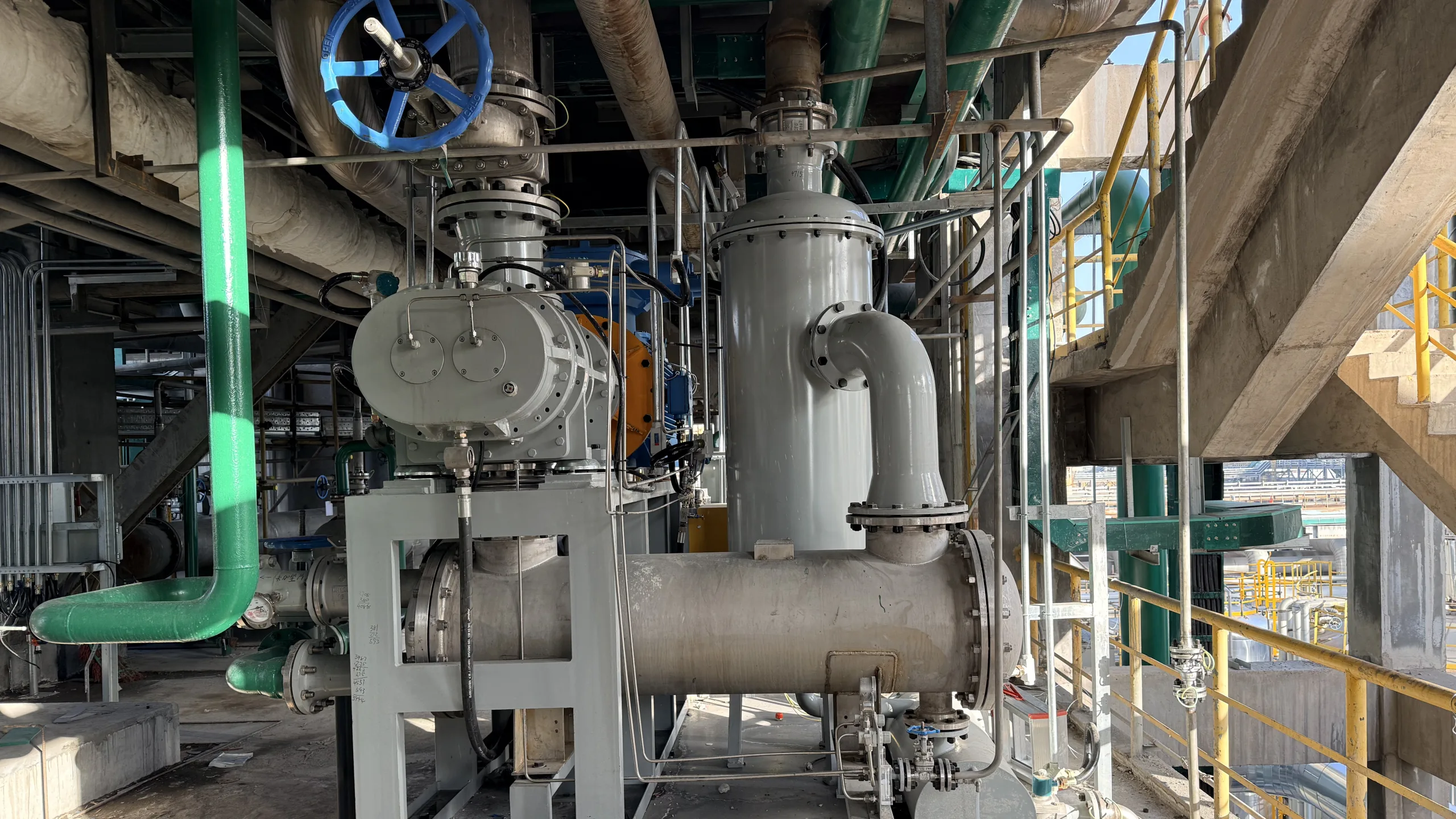
Before discussing a dry screw model, we define where it would connect to the system. We establish whether it would operate independently, support the remaining water-ring pumps, or replace a defined part of the vacuum source. That decision sets the requirements for piping, controls, isolation, drainage, and the initial RFQ.
Questions for the route comparison
Before comparing replacement routes, confirm:
- Does the failed pump carry a fixed local load, a share of the header load, or a standby role?
- Can the remaining water-ring pumps maintain the required duty while the failed unit is isolated?
- Does the recorded duty come from a header measurement, a process branch, or an earlier design point?
- Which sealing-water, drainage, exhaust, electrical, and control connections must the replacement retain or change?
- If a dry screw package is under review, where will liquid be separated and drained before it reaches the inlet?
The answers show whether a local repair can protect the shared-header duty and whether a wider system change needs further review.
What Should We Confirm Before Ordering and After Startup?
Before ordering, we record the duty and operating condition the replacement must maintain. After startup, we check the new arrangement at the same process condition and measurement point. This gives the buyer a comparable record of whether the system is maintaining the intended duty and, where power consumption is part of the review, how it performs under that duty.
The U.S. Department of Energy's measurement-and-verification guidance for vacuum-pump improvements recommends checking power draw, maintained vacuum or pressure, runtime, and whether the compared systems serve the same load.3 We apply the same measurement discipline in an initial replacement review: record the operating condition, measurement point, and load basis before interpreting the result. The site record then establishes the performance of the specific water-ring or dry screw arrangement.
| Review point | What we record | Why it matters |
|---|---|---|
| Before ordering | Header and process measurement points; working pressure; required volumetric flow rate; branch combinations; pump availability; valve state; inlet condition; known site limits; and relevant maintenance records. | This defines the current duty and keeps a historic nameplate value from becoming the replacement specification. |
| During acceptance or startup | The process condition being served; maintained pressure; operating runtime; relevant valve or branch state; and observed inlet and drainage behavior. | This confirms that the result is being considered at the condition the process is actually operating under. |
| When comparing power consumption | Measured pump power consumption; runtime; the load being served; the observation period; and relevant auxiliary equipment that forms part of the installation. | Power consumption can be compared only when the process duty and operating period are matched. |
The measurement effort should match the project. A full engineering study may require additional instrumentation, while an initial RFQ can often begin with maintenance records, accessible gauge readings, photos, an operating schedule, and a simple piping sketch. If information is missing, we record it as a review item and agree the next measurement before defining a replacement.
Which Installation Limits Must Be Checked Before a Change?
Before changing the vacuum source or its connection to a shared header, we review the physical and process interfaces at the site. Matching the duty is only the starting point. The proposed package must also fit the available space, connect to the system, drain properly, work with the controls, and remain accessible for maintenance.
At the site, we check the available footprint and foundation, header connection points, branch isolation, drainage, inlet separation, exhaust route, electrical supply, control signals, cooling requirements where applicable, and maintenance access. We also trace conditions that may affect the inlet, including condensate at low points, wet branches, process carryover, and any existing separator or drain route.
EPA guidance on soil-vapor extraction describes upstream vapor/liquid separation and air/water separation as ways to keep liquids, silts, or sediments from reaching a vacuum pump.4 Although that guidance addresses a different application, it reinforces the need to confirm separation and drainage against the actual inlet condition before changing the vacuum source.
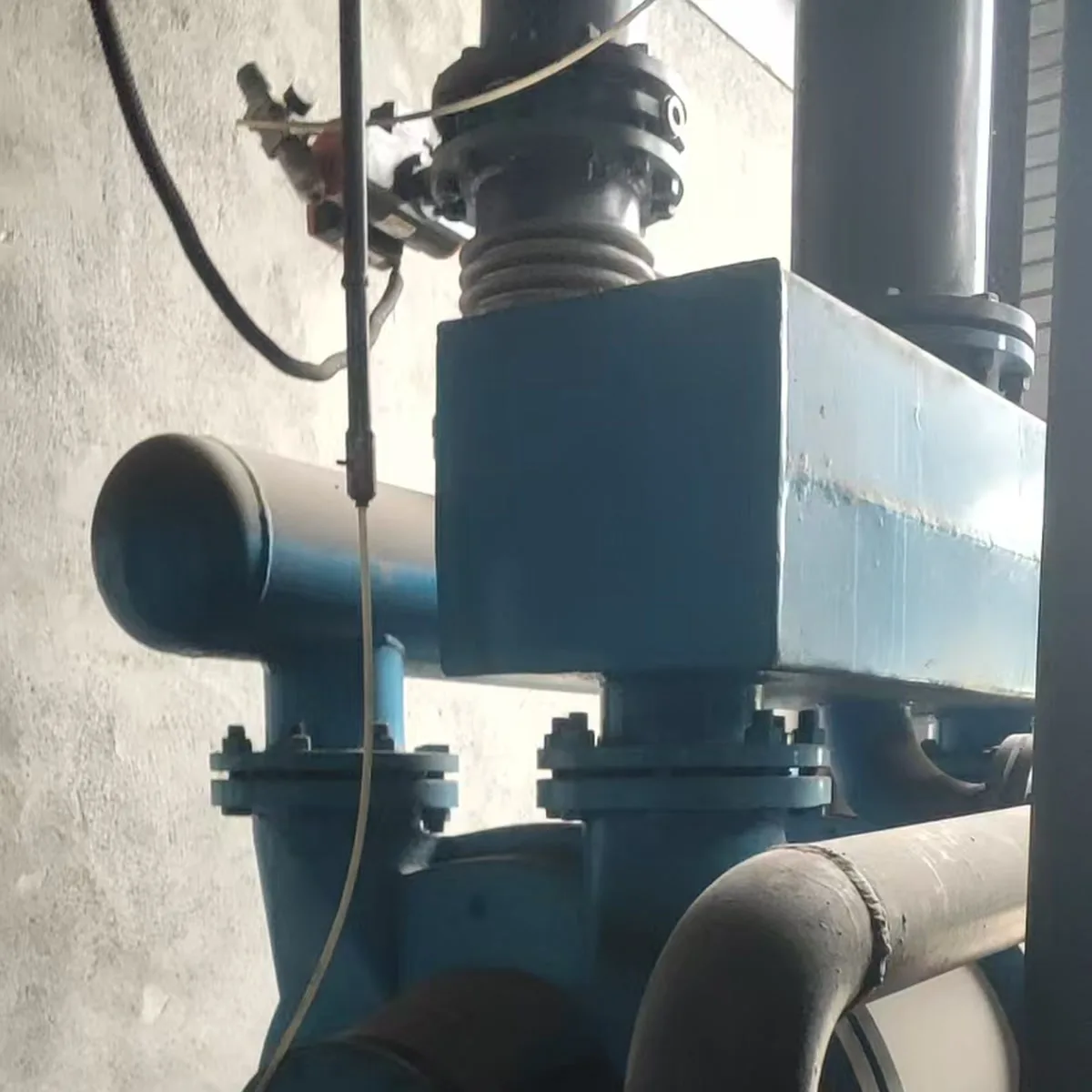
Map the existing and proposed system boundaries
Changing the vacuum source does not remove every water-related interface in an existing water-ring system. Separation, drainage, cooling, the sealing-water loop, the process connection, and discharge treatment may sit outside the pump package and remain part of the installation. We map these connections alongside the proposed equipment before recommending a configuration, so the scope of the change is clear.
What Should You Send Us for an Initial Shared-Header Review?
For an initial shared-header review, start with working pressure and required volumetric flow rate. These two values let us establish the duty to be maintained. The additional information below helps us understand the header, inlet condition, and site interfaces before the next discussion.
Information that helps us narrow the review
- Working pressure and required volumetric flow rate, including units and the absolute or gauge basis where known.
- A simple sketch, photo, or description of the shared header and its connected workstations or process branches.
- Branches that can operate at the same time, together with any known peak or cyclic demand.
- The existing pump list and the equipment under review. The current model is useful context for the discussion.
- Known gas or vapor condition, inlet temperature, liquid carryover, solids, corrosion risk, drains, separators, and discharge route.
- Available electrical supply, cooling or other utilities where applicable, available footprint, and known control or isolation arrangements.
- The maintenance, water-use, vacuum-stability, power-consumption, or capacity concern that started the review.
From there, we can agree whether the next discussion should focus on a dry screw product route, a wider system review, the existing water-ring arrangement, or an additional measurement. Review the dry screw vacuum pump product route, read our wider water-ring replacement guide, or send the information you have to our team.
Conclusion
On a shared vacuum header, a water-ring pump replacement starts with the duty the system must continue to maintain. We begin with working pressure and required volumetric flow rate, then confirm branch demand, controls, inlet condition, liquid management, installation interfaces, and the role of the remaining pumps.
Those checks show whether the site should restore a same-model water-ring pump, renew or reconfigure part of the water-ring group, or move to a dry screw review. Send the duty and the system information available, and we can agree the next technical step.
References
- 1. "Guidelines for Evaluation of Liquid Ring Vacuum Pump Performance, Technical Information Paper TIP 0420-12," TAPPI. Evidence role: liquid-ring system context. Supports: the published scope notes that suction and discharge flanges are often manifolded. Scope note: applies to its single-stage liquid-ring guidance; it does not define a customer layout or the suitability of any particular water-ring or dry screw replacement. https://imisrise.tappi.org/TAPPI/Products/01/0108042012.aspx↩
- 2. "ISO 21360-1:2020 — Vacuum technology — Standard methods for measuring vacuum-pump performance — Part 1: General description," International Organization for Standardization. Evidence role: measurement basis. Supports: standardized volume-flow measurement and the stated low-pressure connection-line limitation. Scope note: does not determine the pressure loss or performance of a specific shared header. https://www.iso.org/cms/live/live/en/sites/isoorg/contents/data/standard/07/99/79940.html↩
- 3. "M&V Guidelines: Measurement and Verification for Federal Energy Projects, Version 5.0," U.S. Department of Energy, Federal Energy Management Program. Evidence role: comparison method. Supports: power, maintained vacuum or pressure, runtime, and same-load checks in vacuum-pump improvement comparisons. Scope note: does not verify the performance of a specific water-ring or dry screw replacement or promise savings. https://www.energy.gov/sites/default/files/2024-10/mv_guide_5_0.pdf↩
- 4. "Analysis of Selected Enhancements for Soil Vapor Extraction," U.S. Environmental Protection Agency. Evidence role: inlet carryover context. Supports: upstream vapor/liquid or air/water separation can prevent carryover into vacuum equipment in the referenced application. Scope note: this is soil-vapor-extraction guidance, not a dry screw configuration specification or universal process rule. https://nepis.epa.gov/Exe/ZyPURL.cgi?Dockey=10002YH9.TXT↩